Book launch at SOAS, University of London
The London launch of Intersectionality and Human Rights: Reimagining European Court of Human Rights Judgments took place on 24 November 2025 at SOAS University of London. The event marked the first public celebration of the book’s release and brought together editors, contributing authors, scholars, and practitioners to reflect on the project and its wider implications for human rights law.
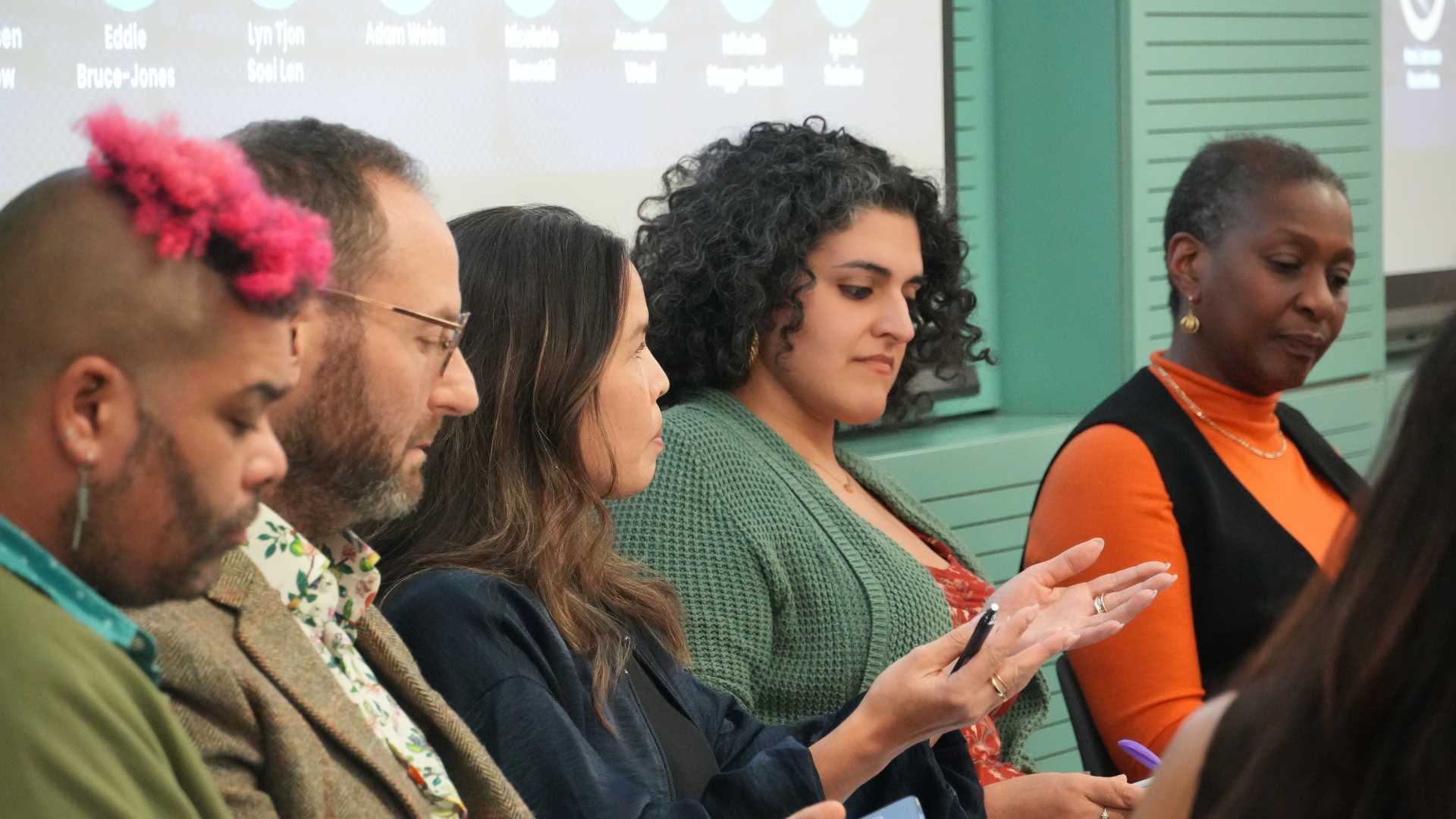


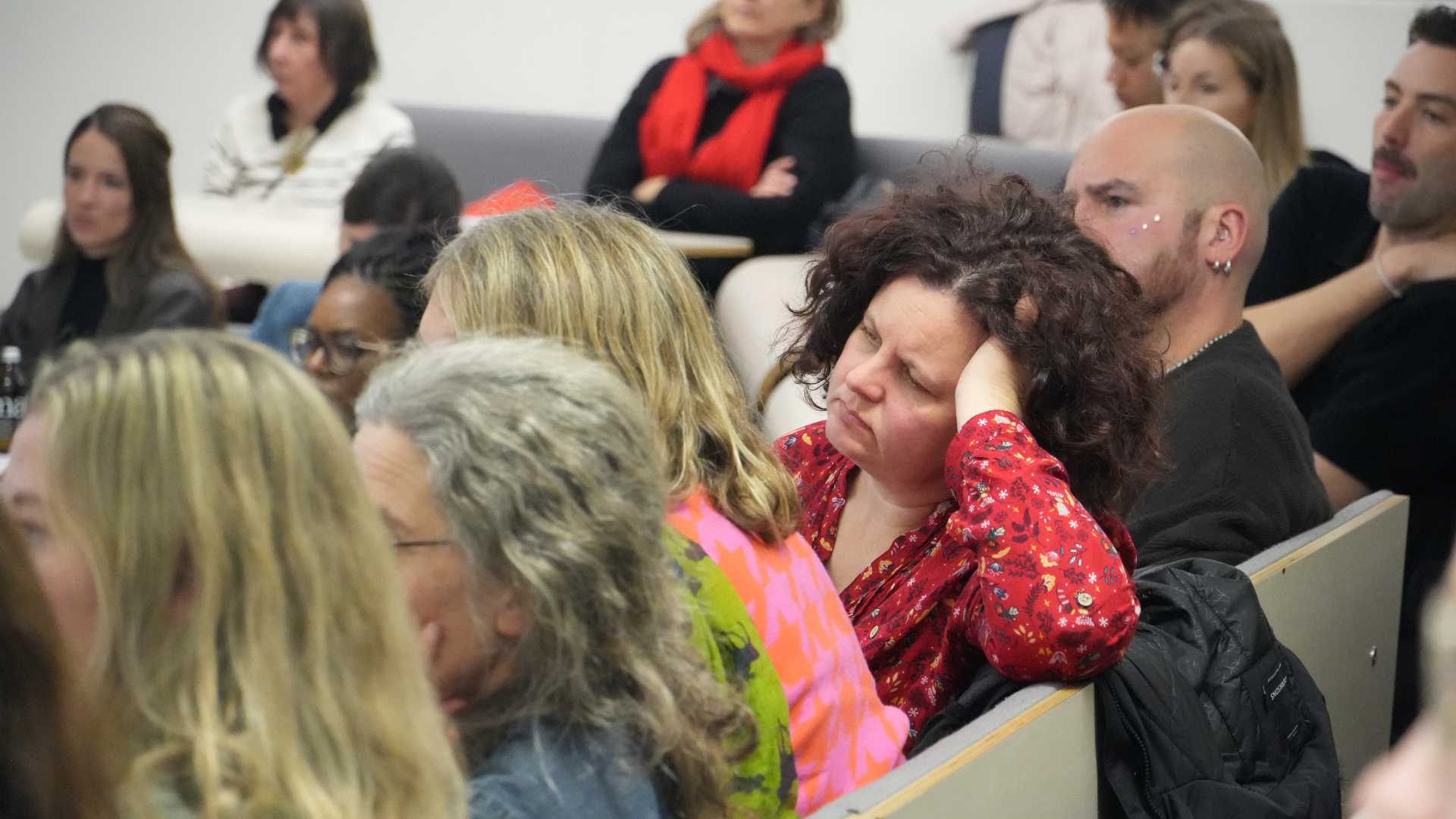
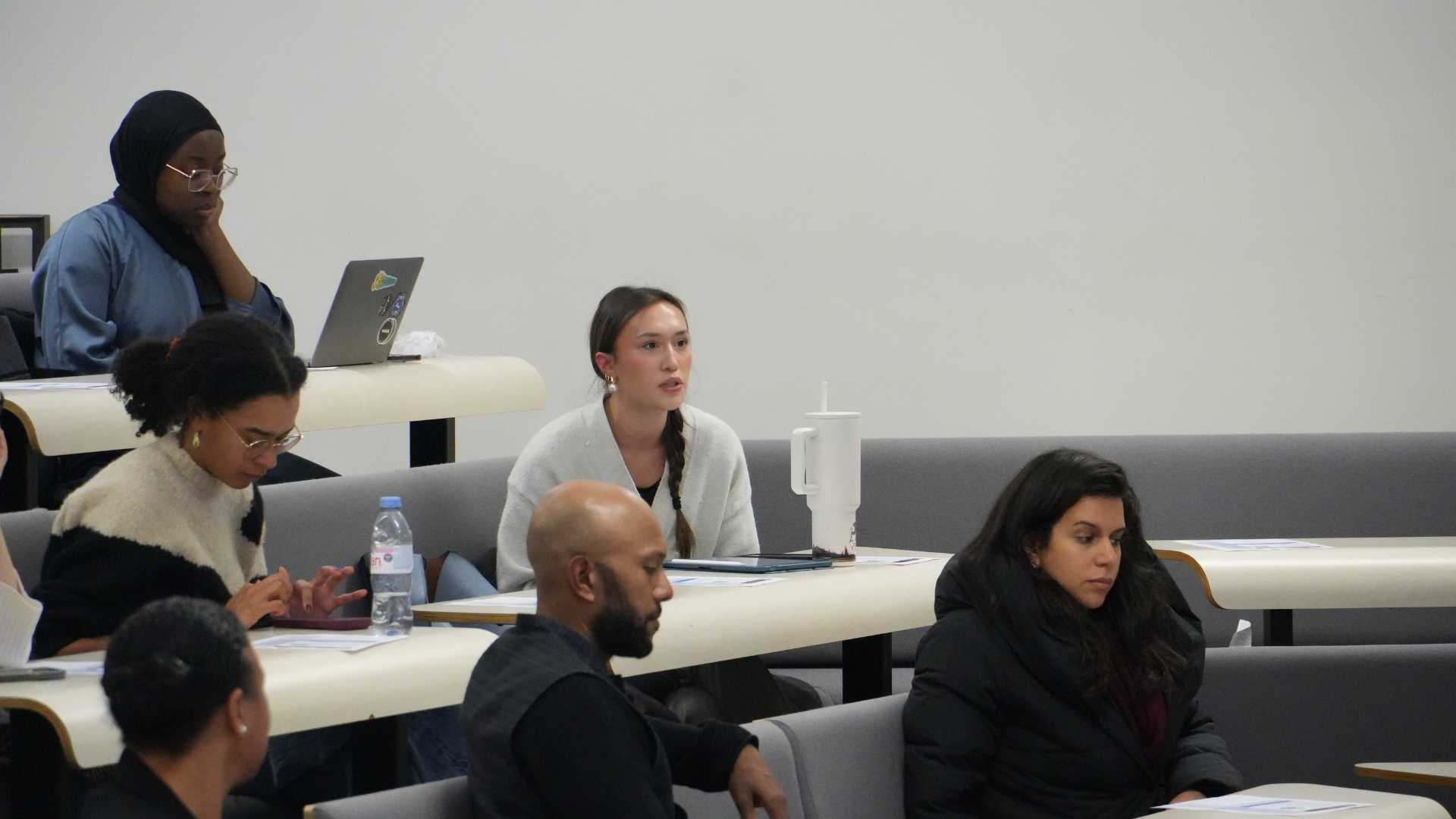

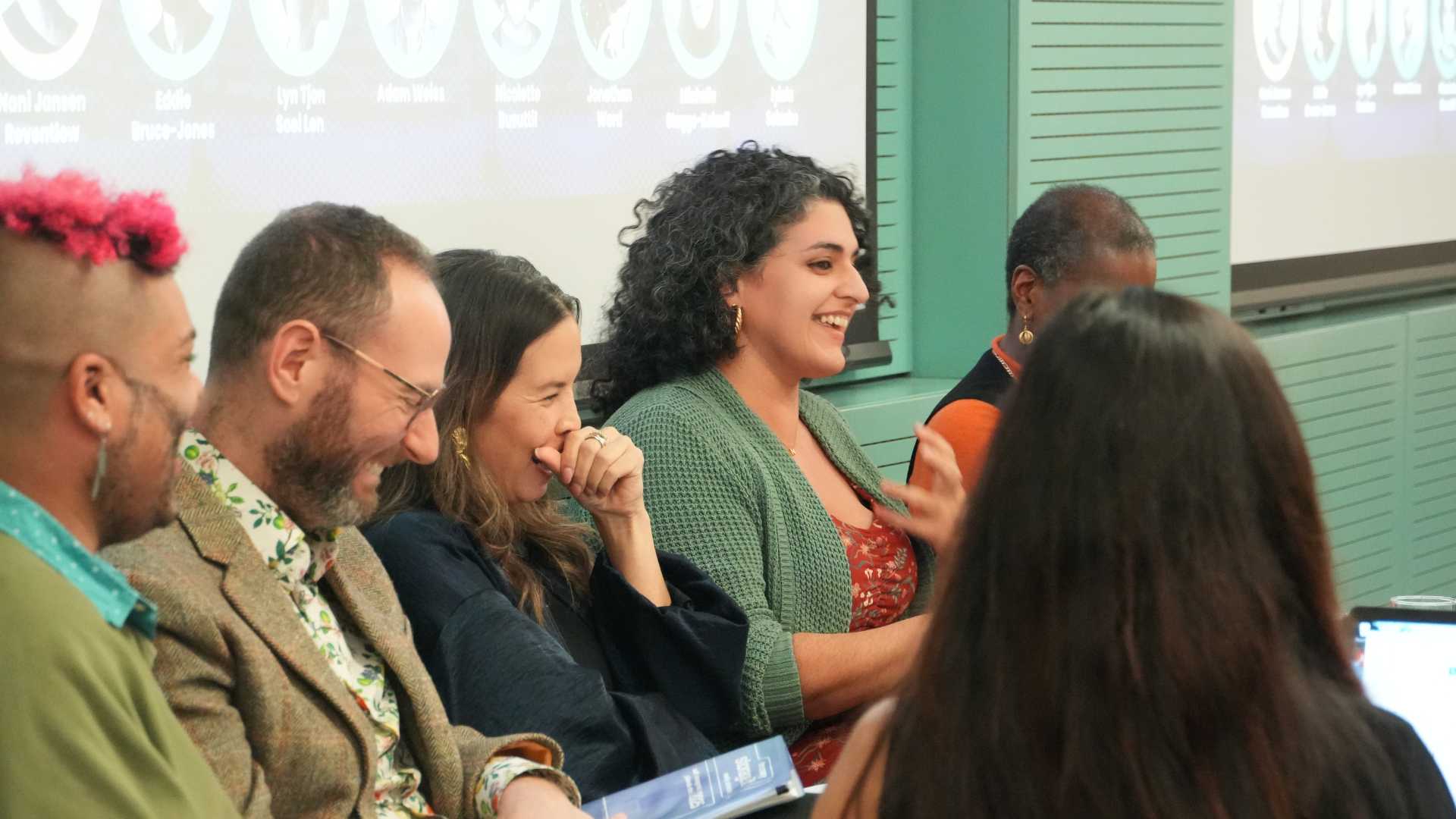

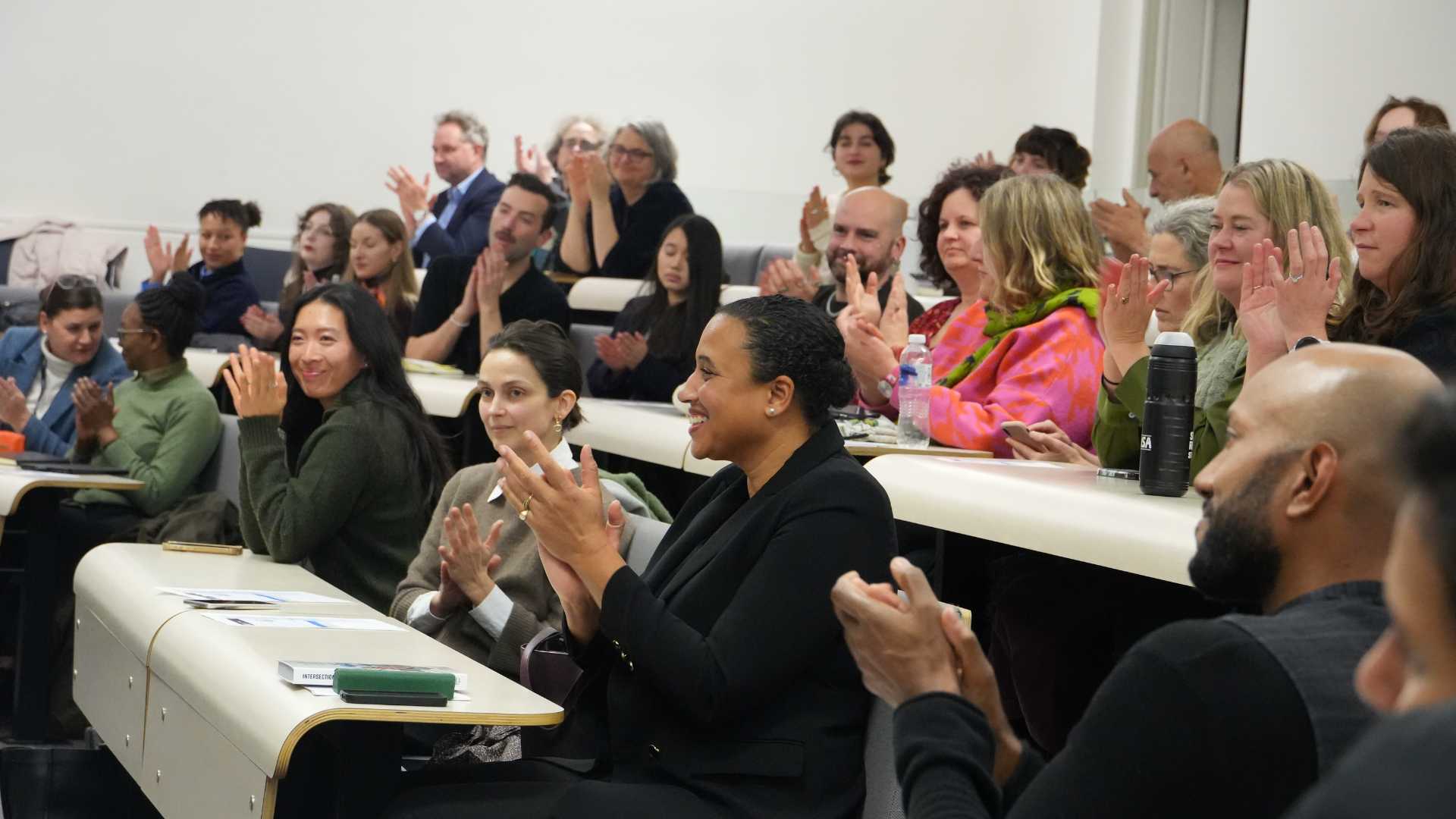
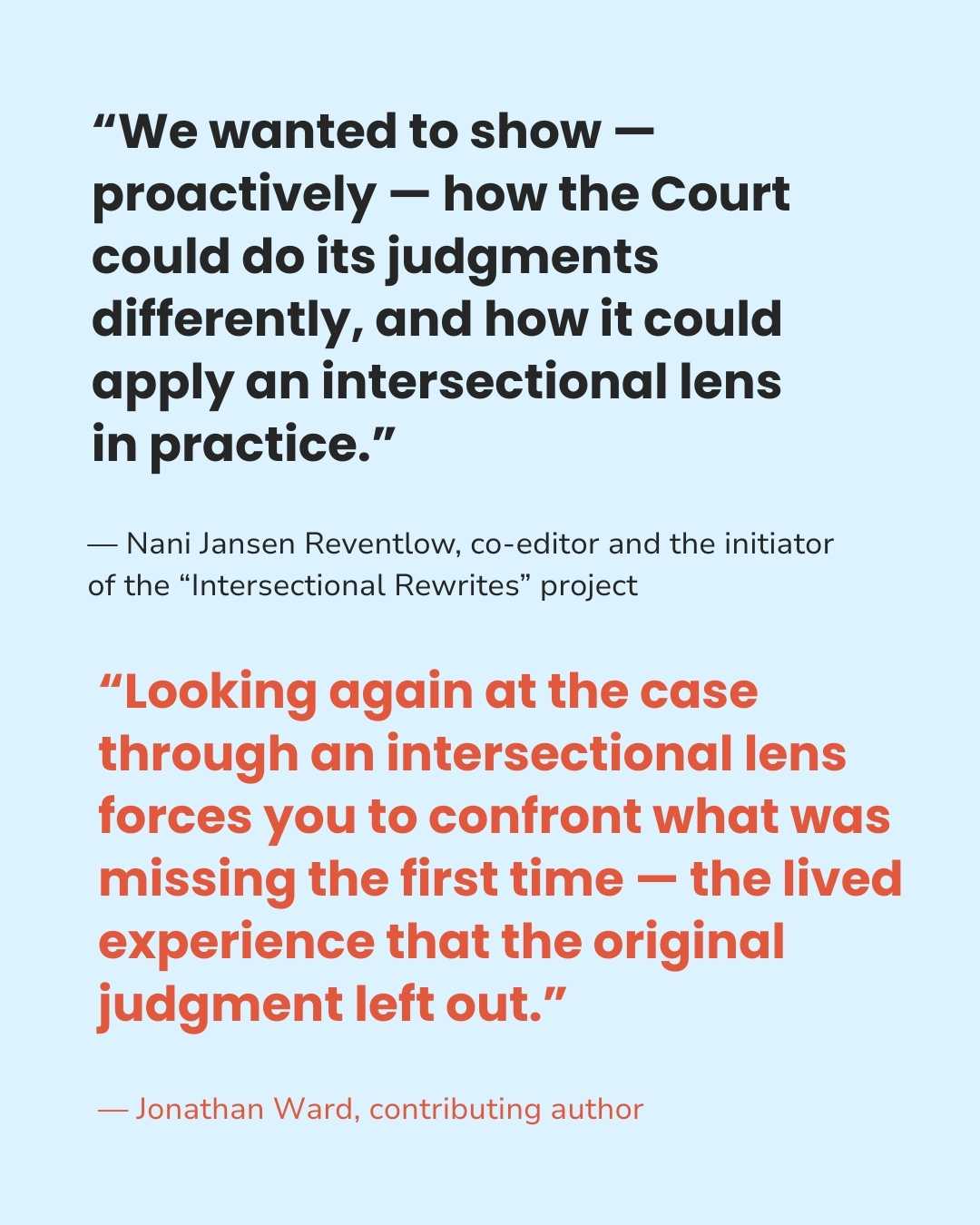
The evening opened with remarks from Nani Jansen Reventlow,initiator of the Intersectional Rewrites project and co-editor of the volume, who introduced the origins of the project and its central question: what would change if the European Court of Human Rights used an intersectional lens in its legal reasoning?
This was followed by a panel discussion exploring how intersectionality can reshape human rights law in both theory and practice. The discussion featured:
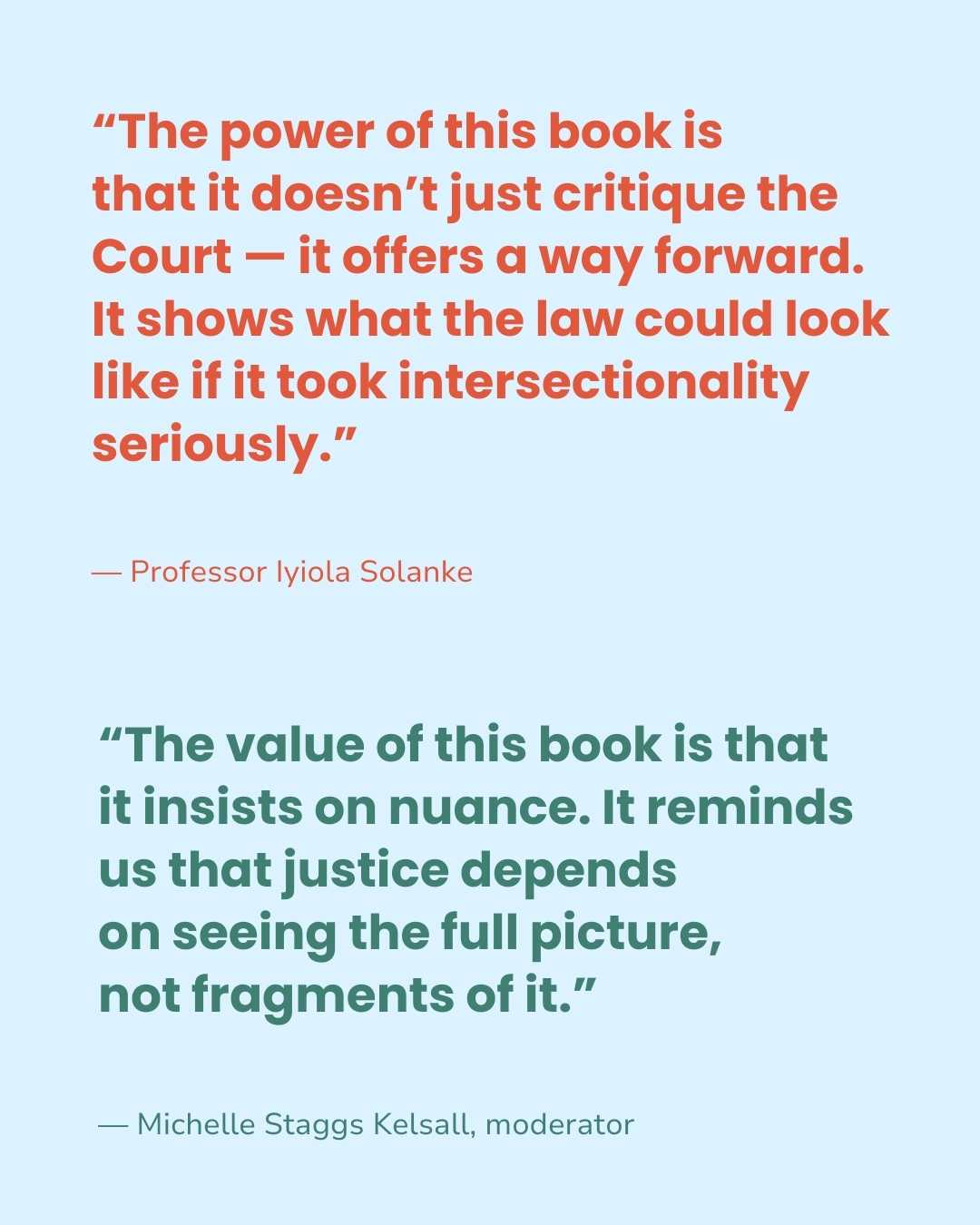
Michelle Staggs Kelsall (SOAS University of London) — moderator
Iyiola Solanke (University of Oxford) — discussant
Eddie Bruce-Jones (SOAS University of London) — co-editor
Adam Weiss (ClientEarth) — co-editor
Lyn Tjon Soei Len (The Ohio State University) — co-editor
Nicolette Busuttil (SOAS University of London) — contributing author
Jonathan Ward (King’s College London) — contributing author

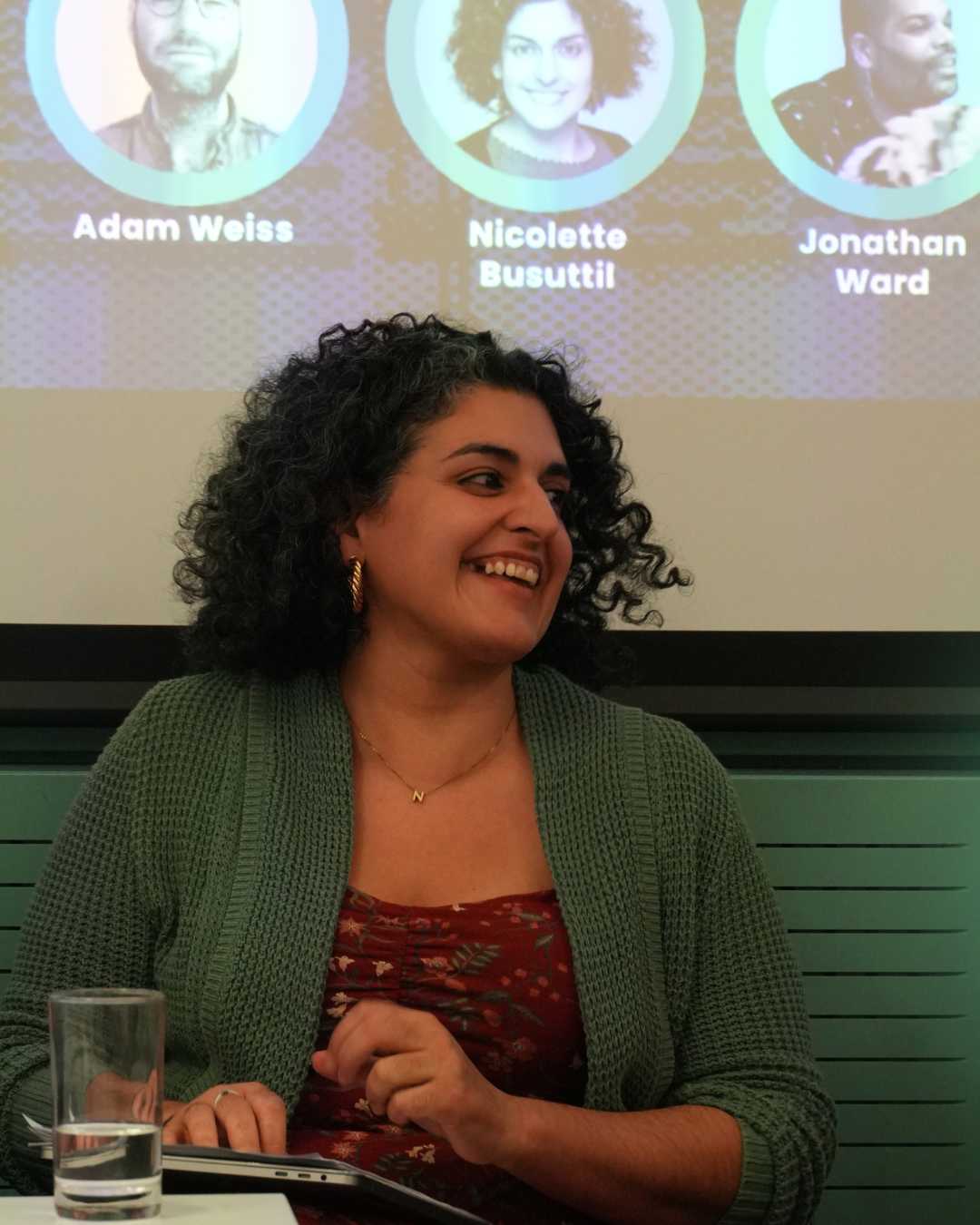

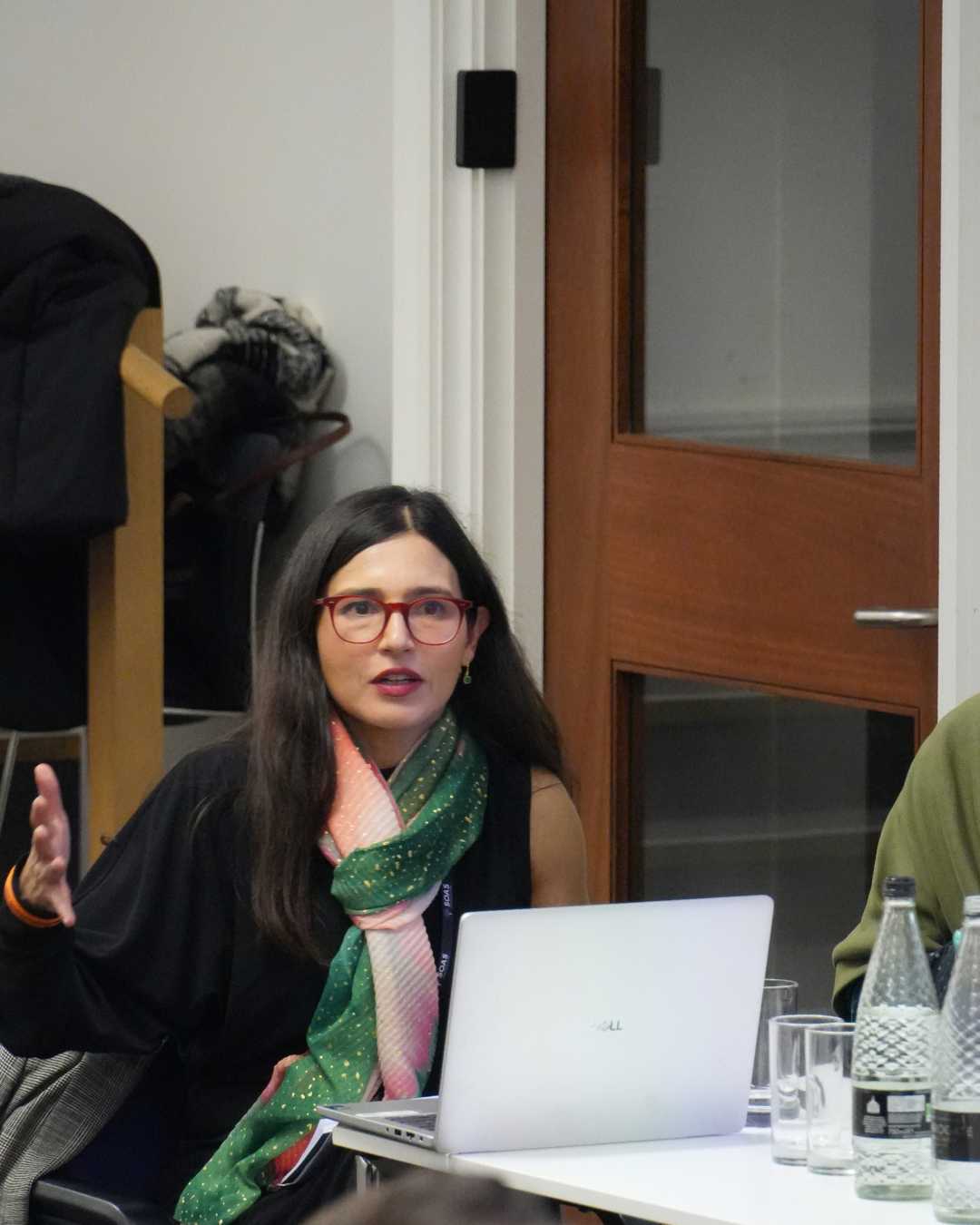
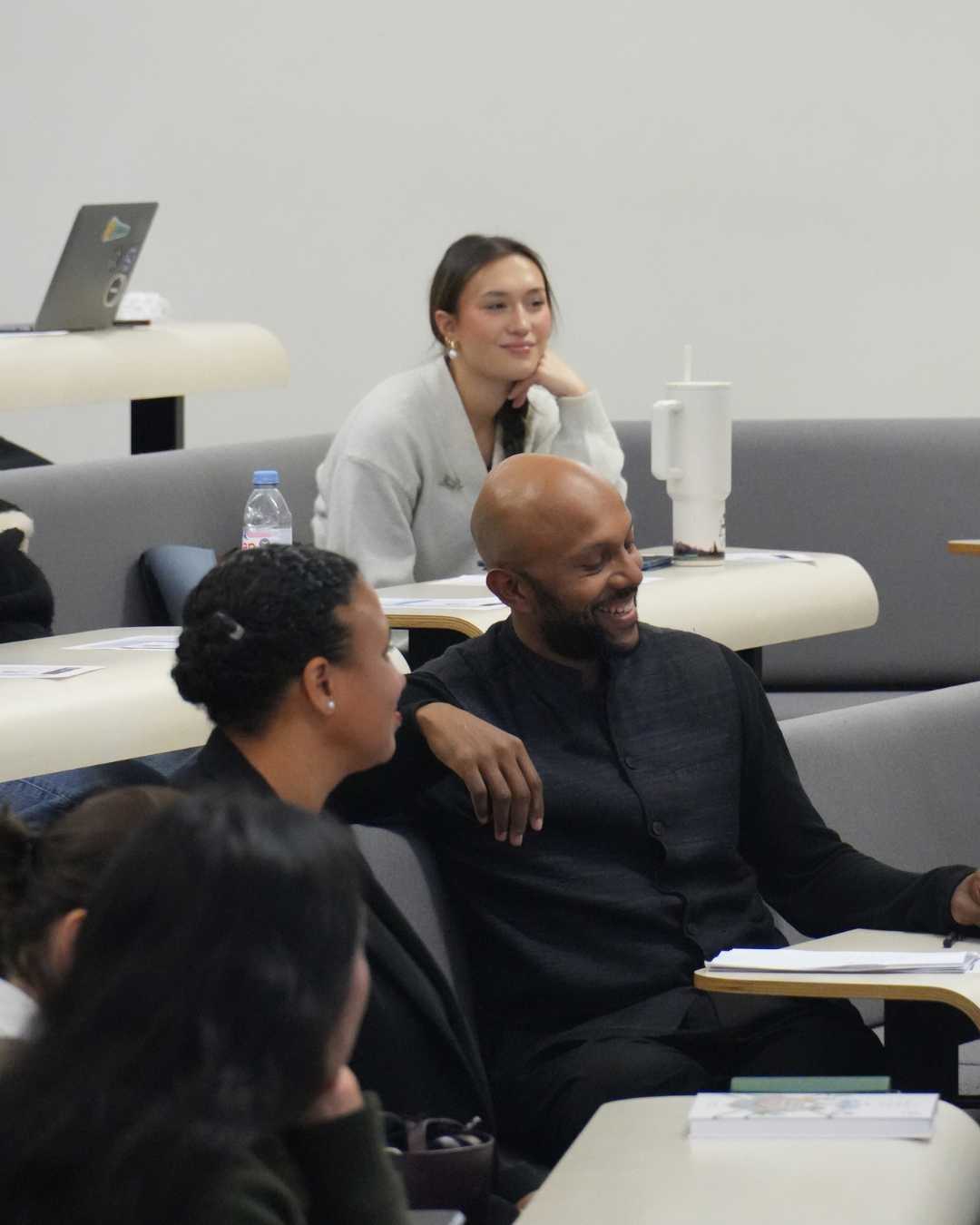
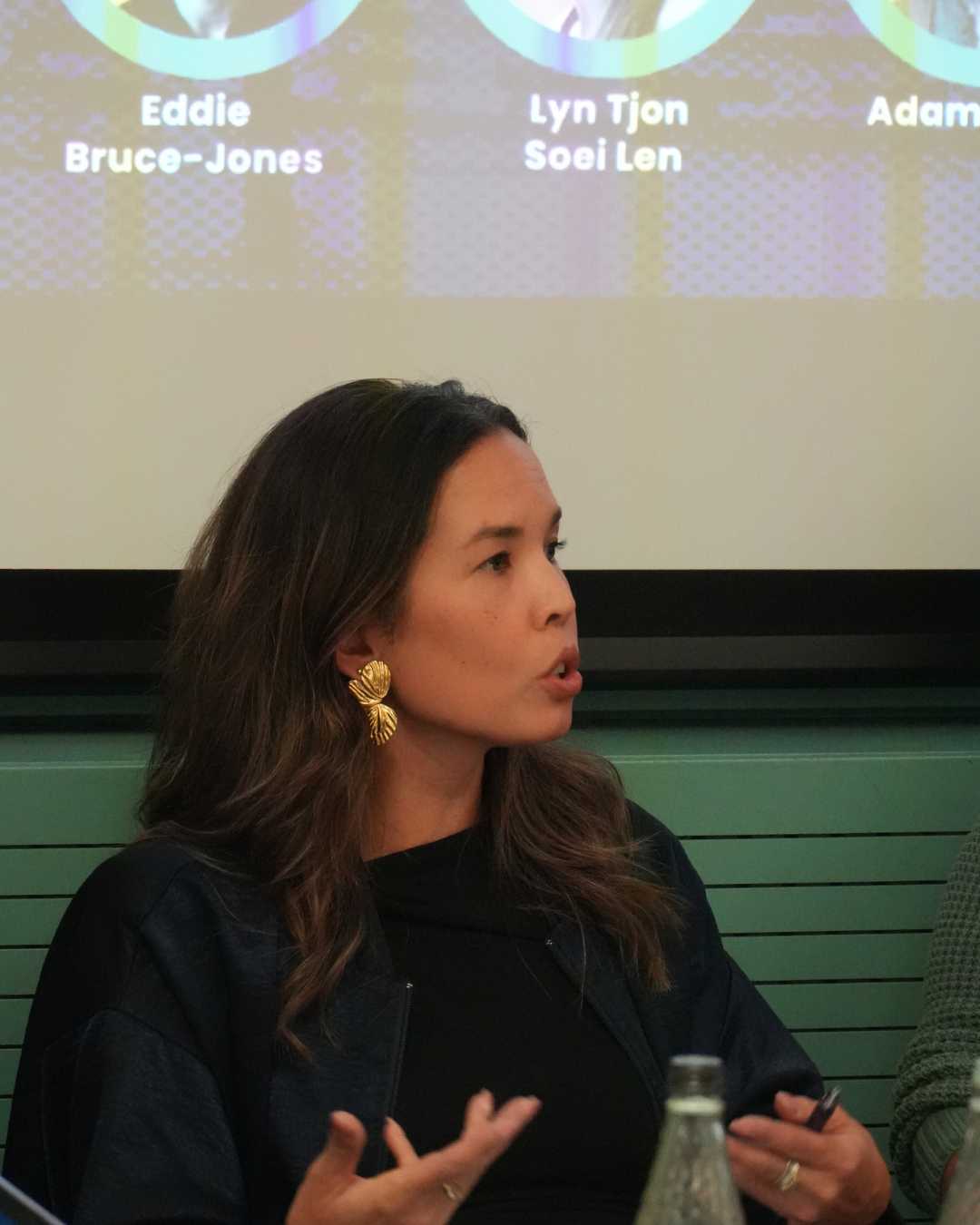


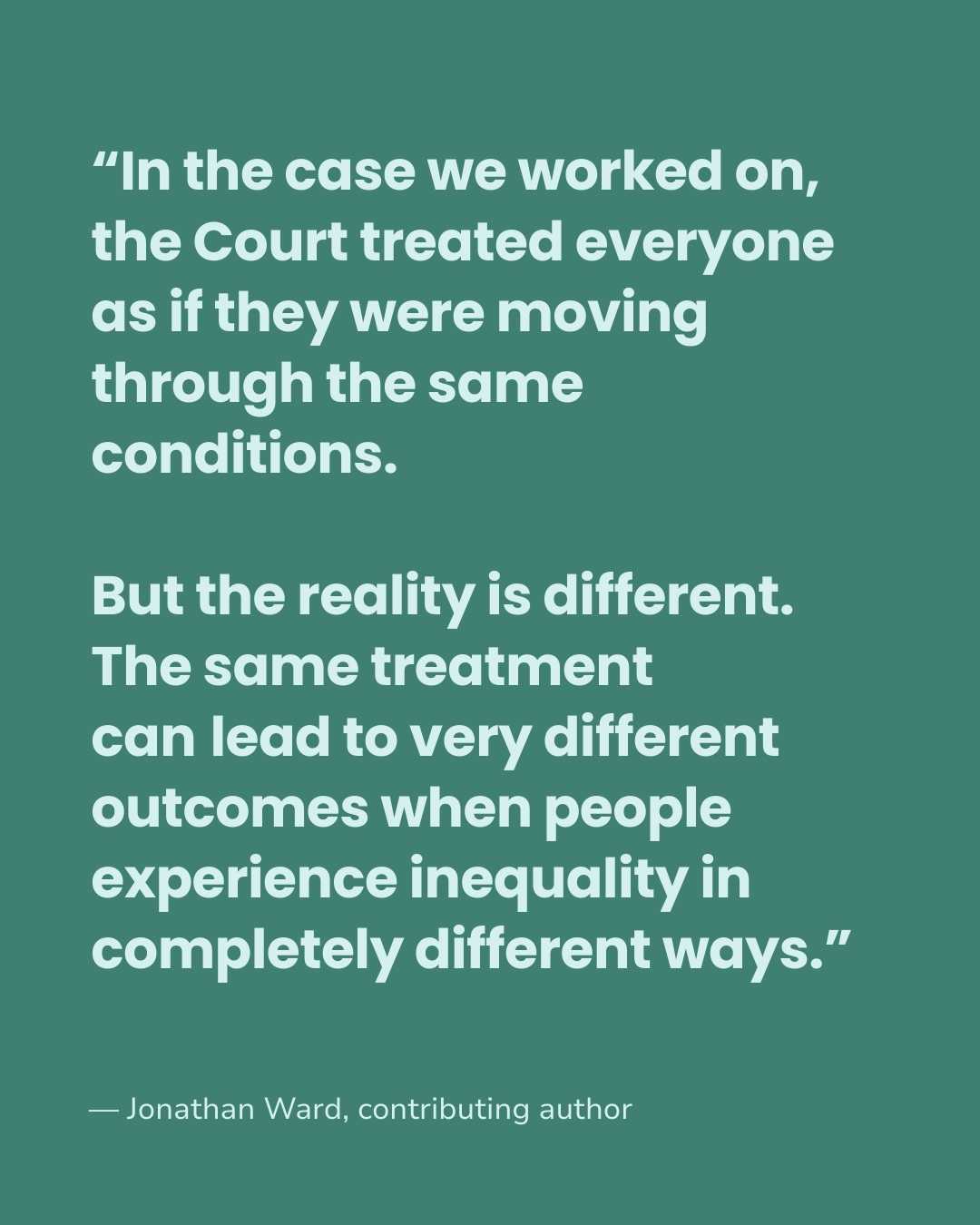
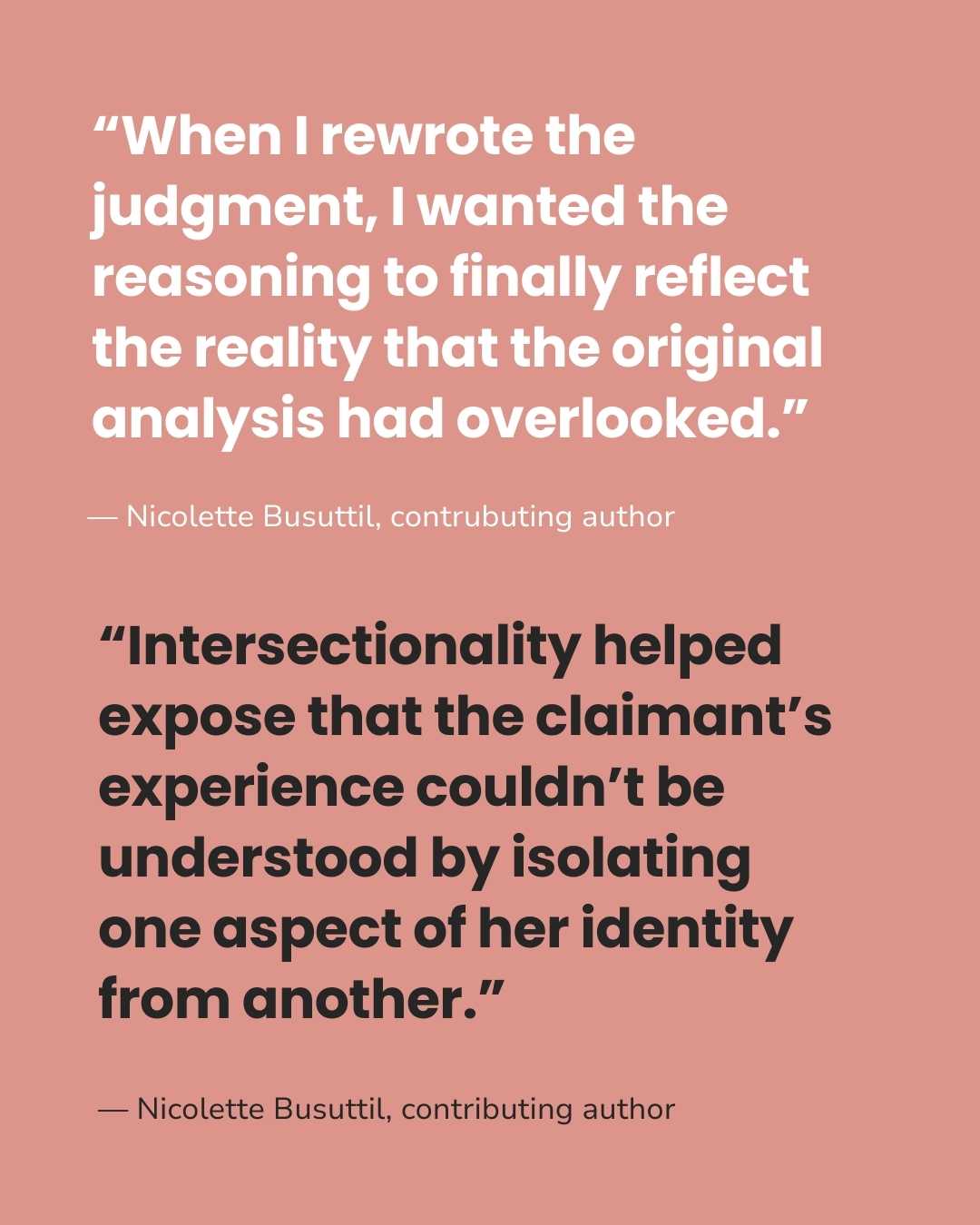
The discussion moved between specific European Court of Human Rights judgments and broader questions about how discrimination is understood in law. The participants reflected on what becomes visible when harm is approached intersectionally, and on the limits of single-axis reasoning in cases involving overlapping forms of disadvantage.
Across different contributions, the conversation pointed towards rewriting as a method that does not simply critique existing judgments, but opens space for alternative forms of legal reasoning and knowledge.

The evening concluded with an informal reception, allowing participants and attendees to continue the conversation.