Book launch at ISS, The Hague
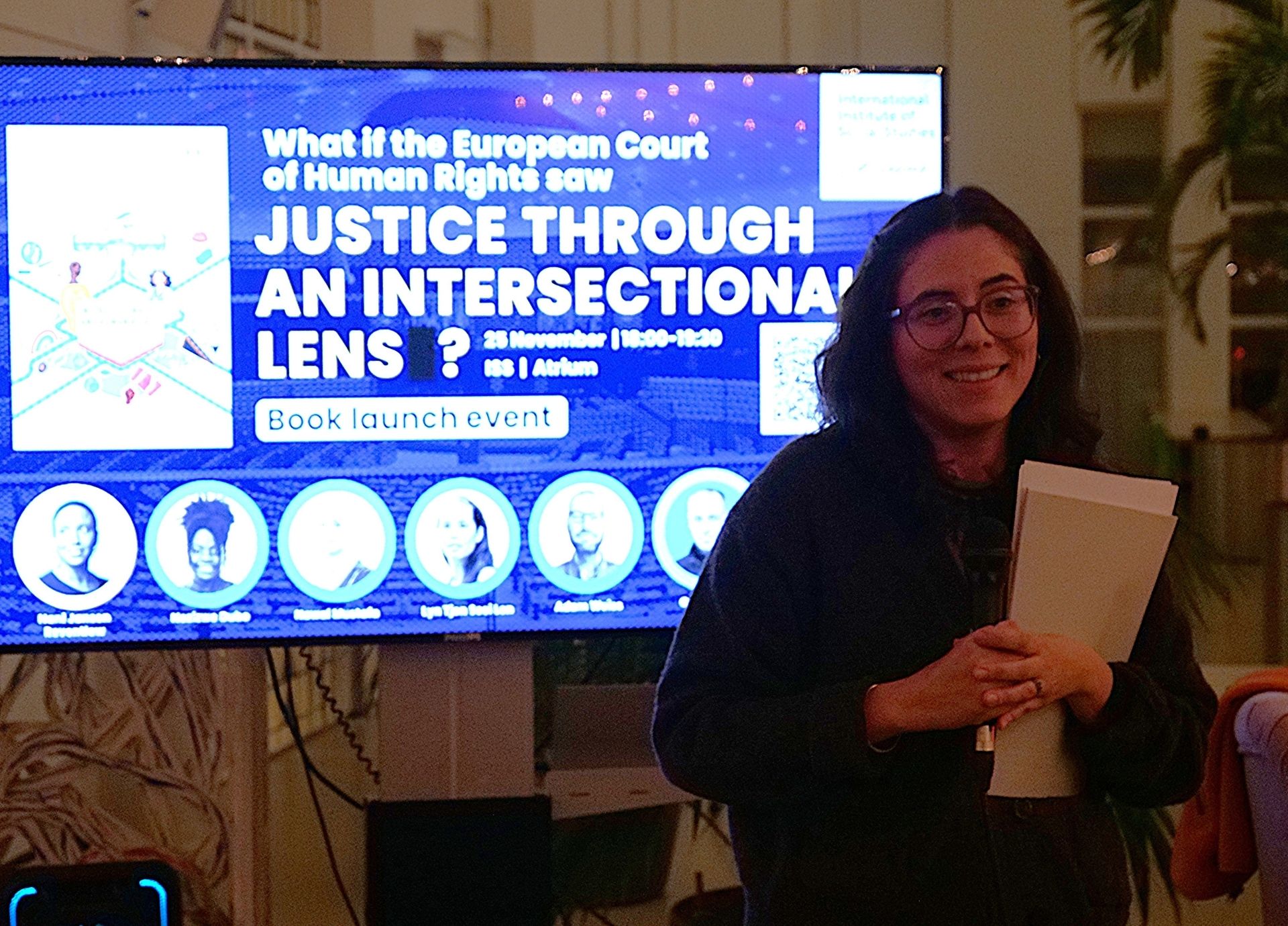
On 25 November 2025, the International Institute of Social Studies in The Hague hosted the second launch event of Intersectionality and Human Rights: Reimagining European Court of Human Rights Judgments. Organised together with the Legal Mobilisation Platform, the evening brought together the book’s editors, contributing authors, and other guests to discuss how intersectional rewrites can reshape our understanding of discrimination and justice.
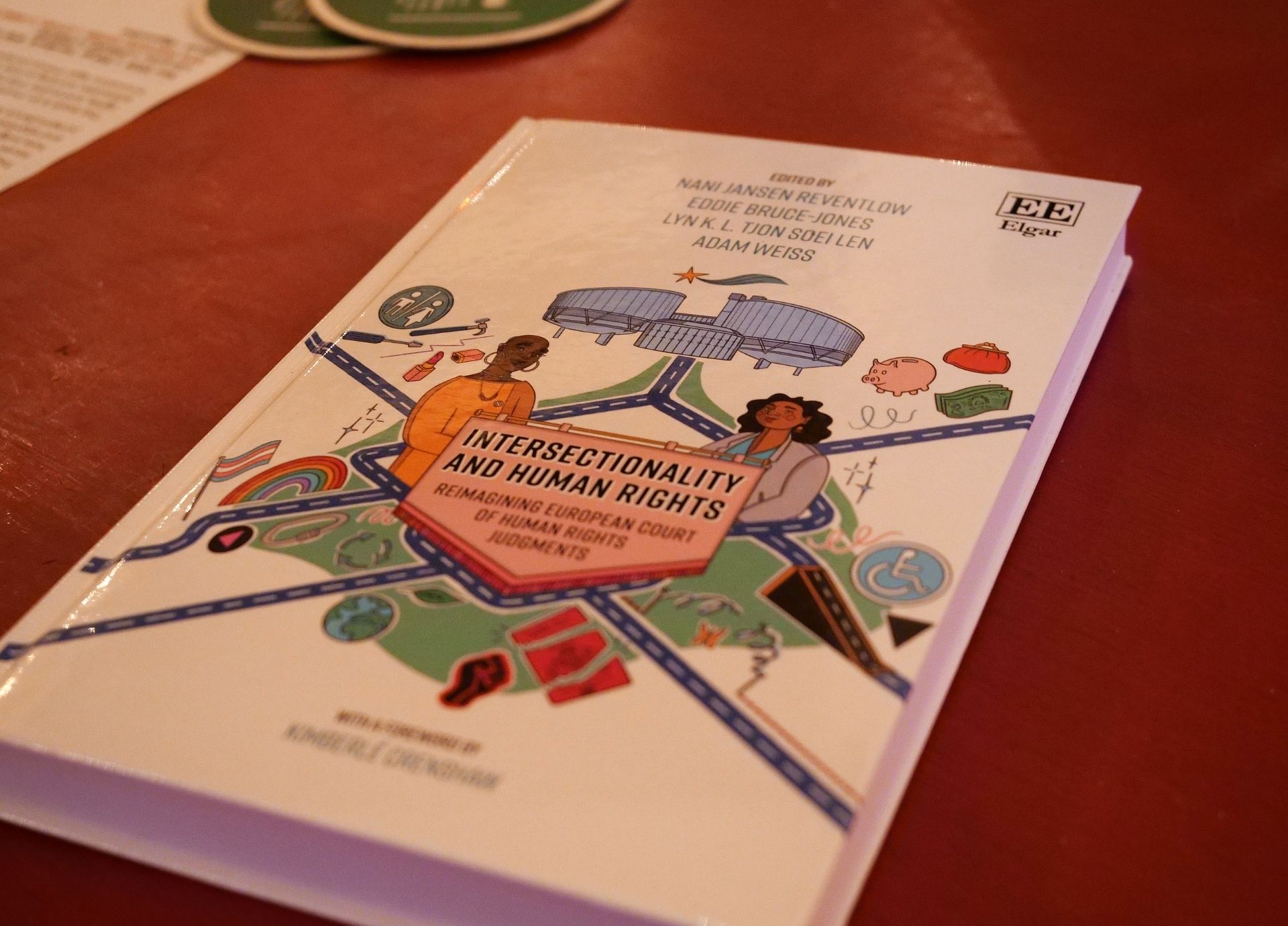
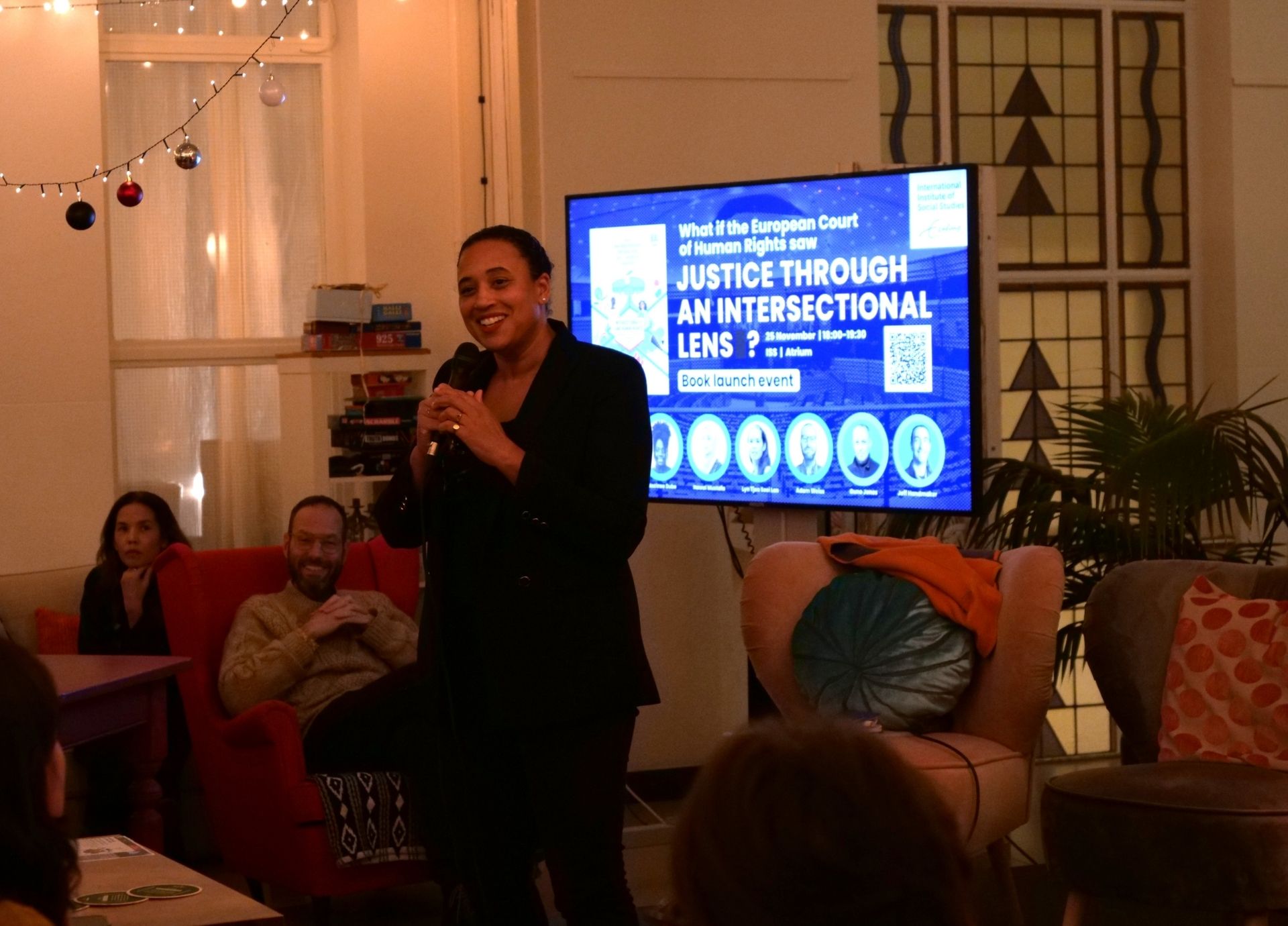
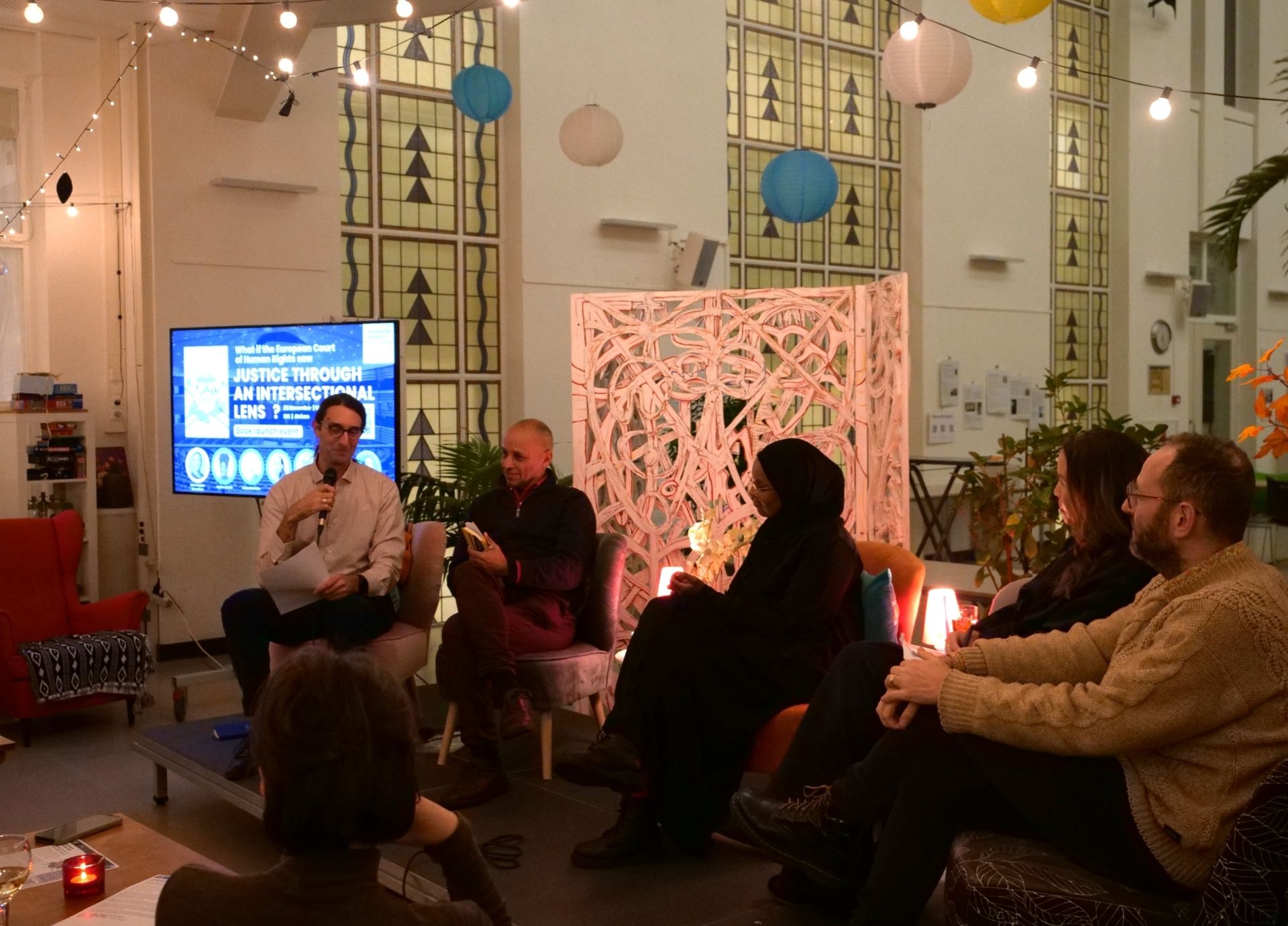
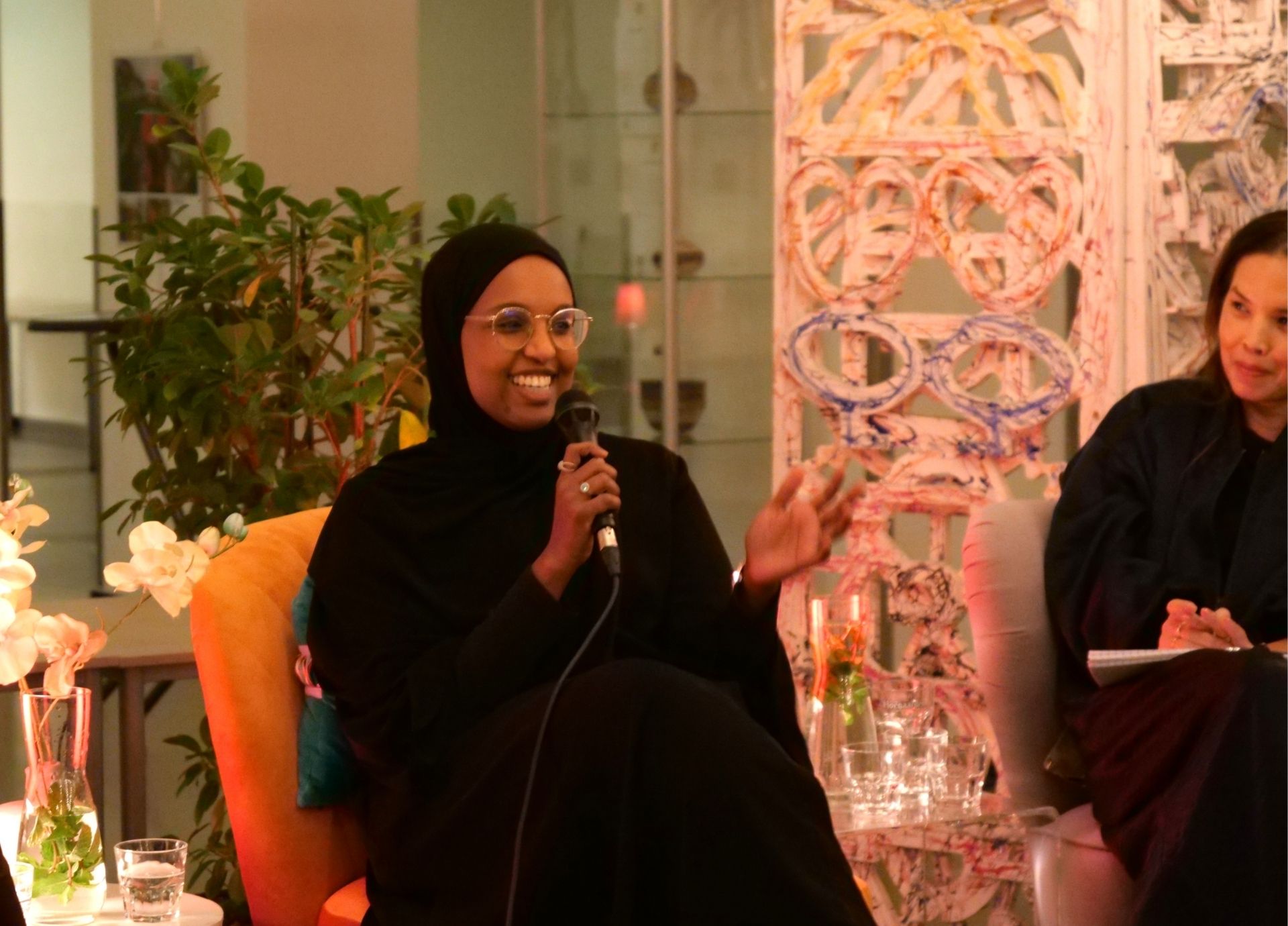
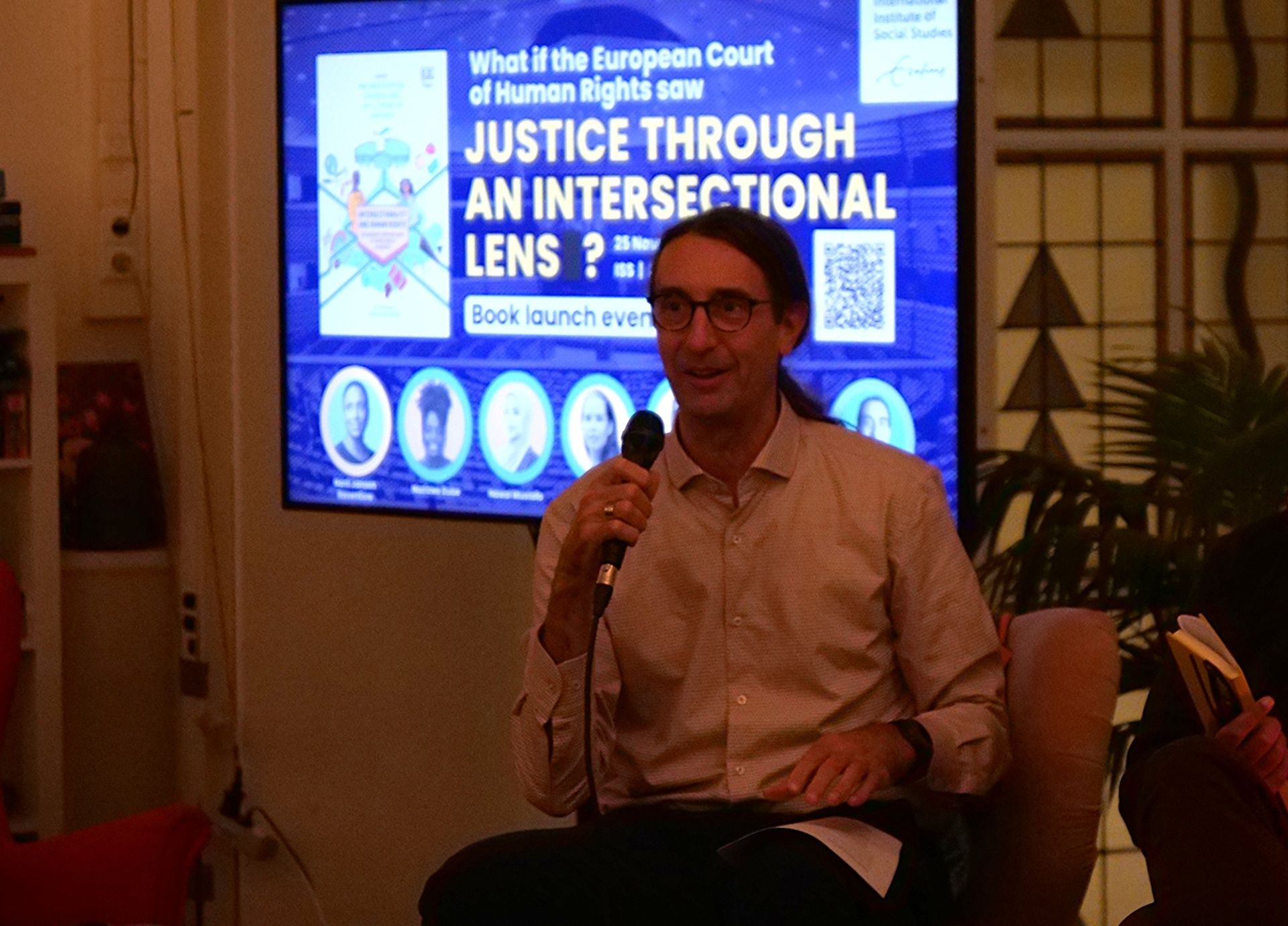
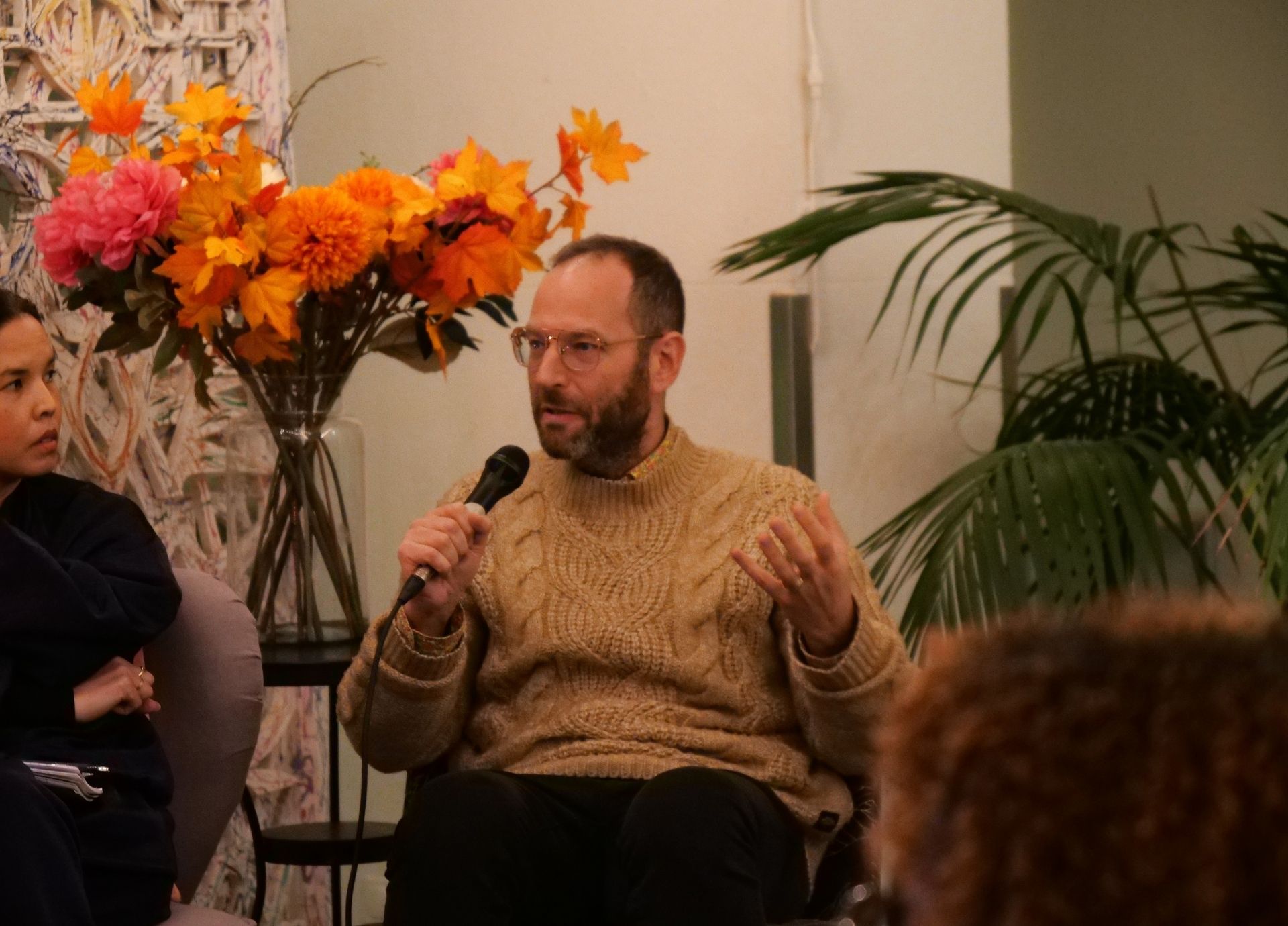

Nani Jansen Reventlow opened the event by introducing the Intersectional Rewrites project and its core purpose: to demonstrate, through concrete examples, how the European Court of Human Rights could approach cases differently when it recognises that discrimination operates across multiple, intersecting dimensions of identity.
The discussion that followed explored the book’s methodology and its implications for legal practice, drawing on the experiences of authors who rewrote specific judgments and reflecting on what becomes visible through an intersectional lens.
The discussion featured:
Jeff Handmaker (ISS) — moderator
Nawal Mustafa (Universiteit van Amsterdam) — contributing author
Guno Jones (Vrije Universiteit Amsterdam) — discussant
Lyn Tjon Soei Len (The Ohio State University) — co-editor
Adam Weiss (ClientEarth) — co-editor
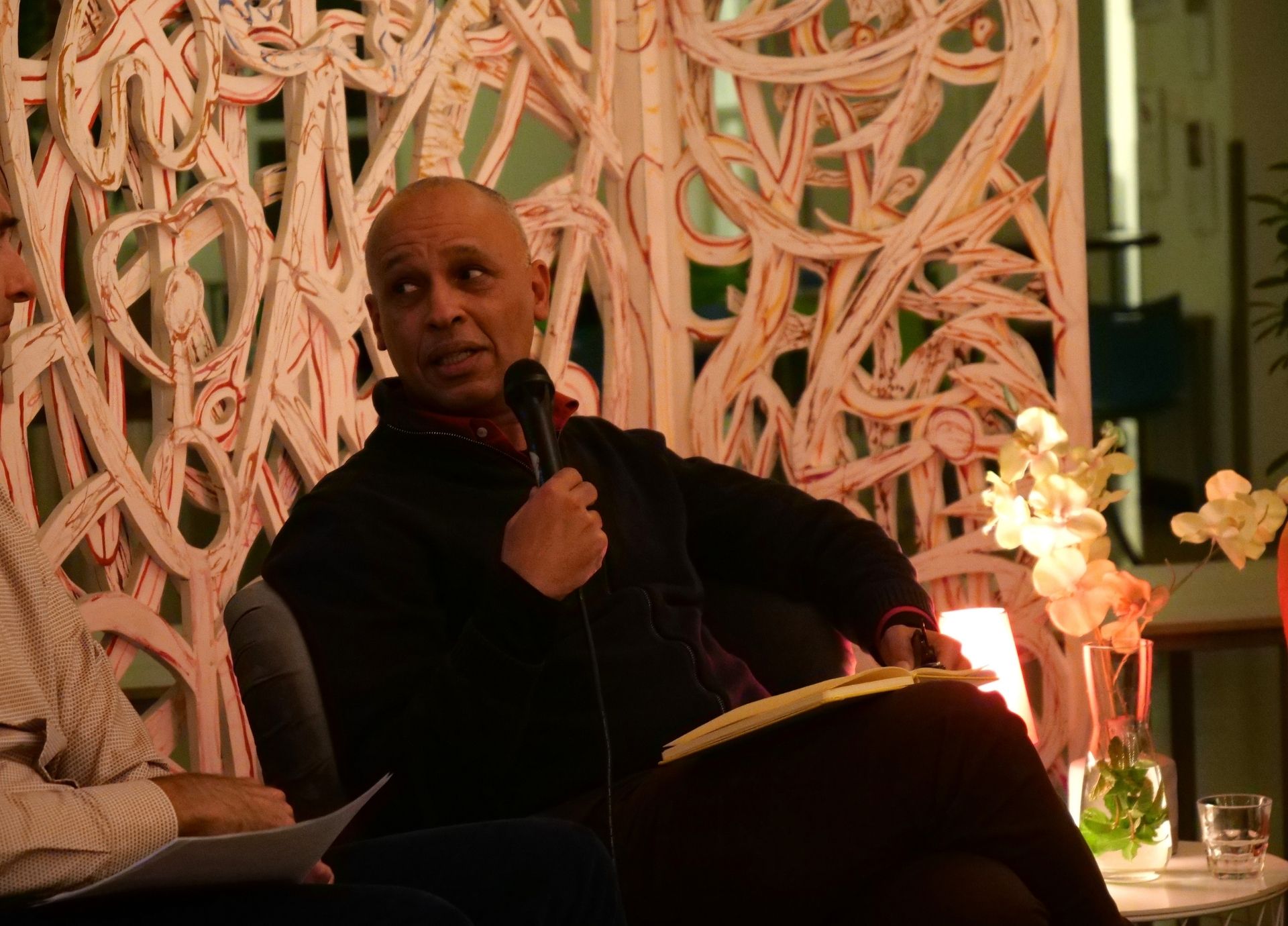
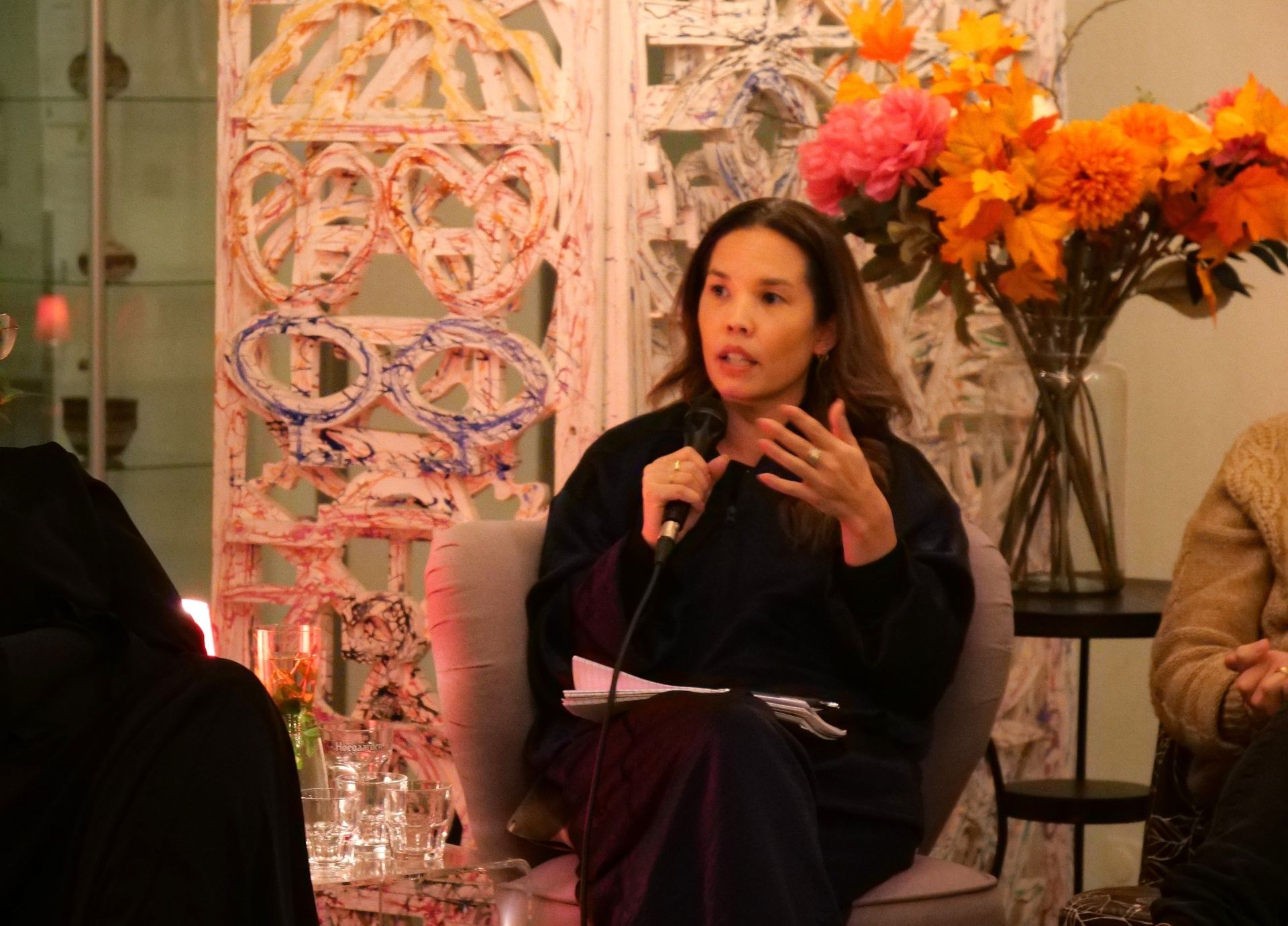

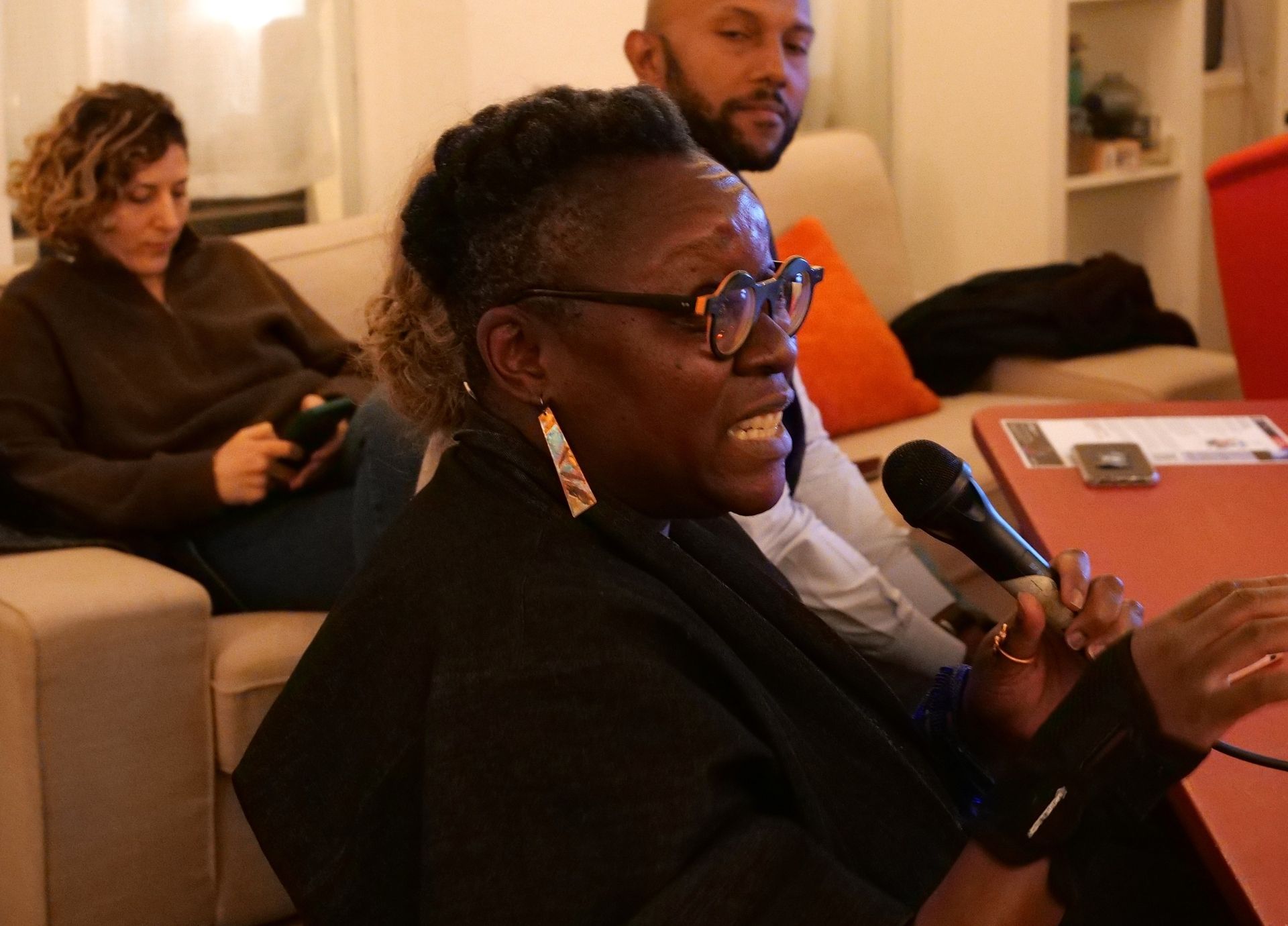
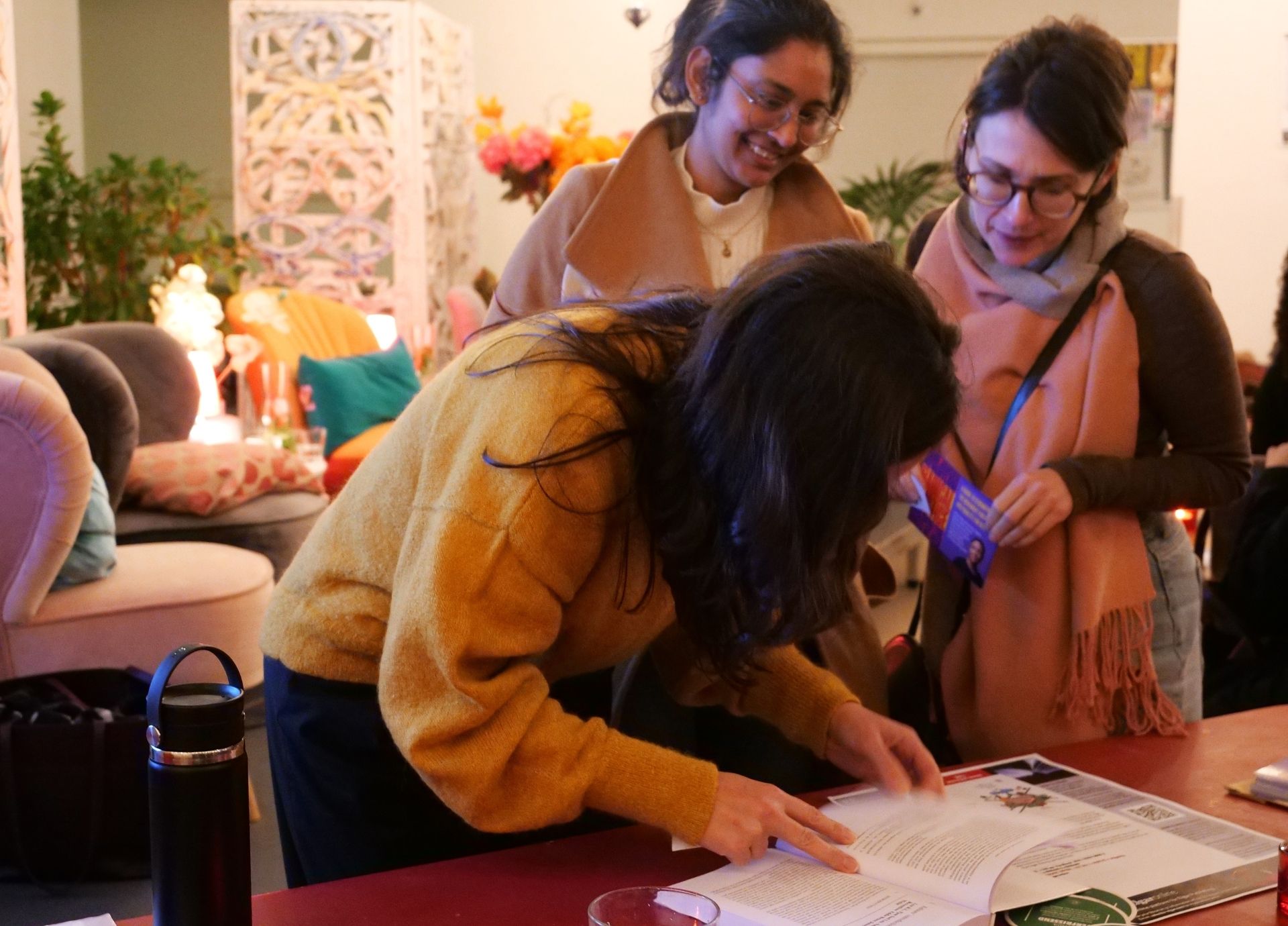
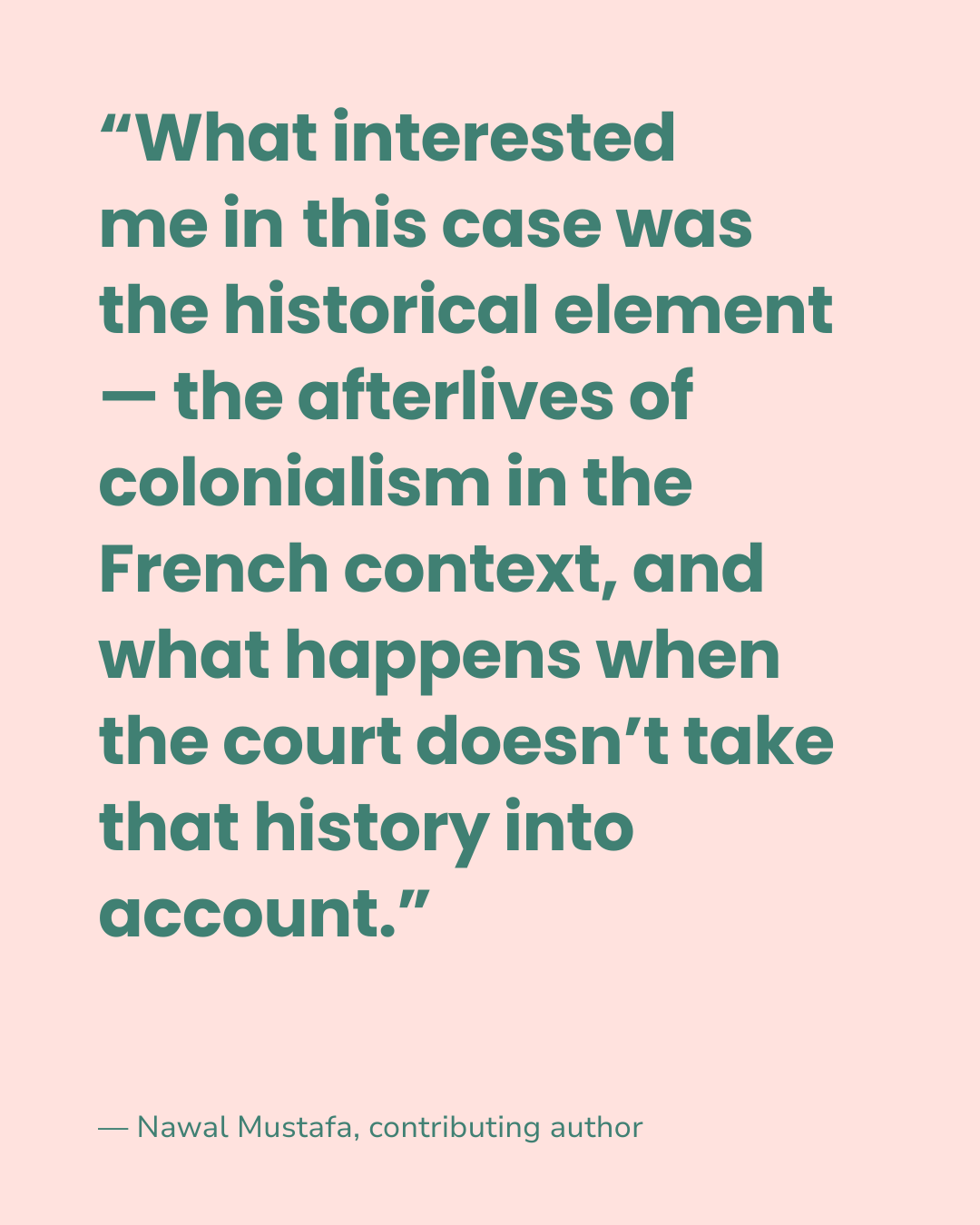
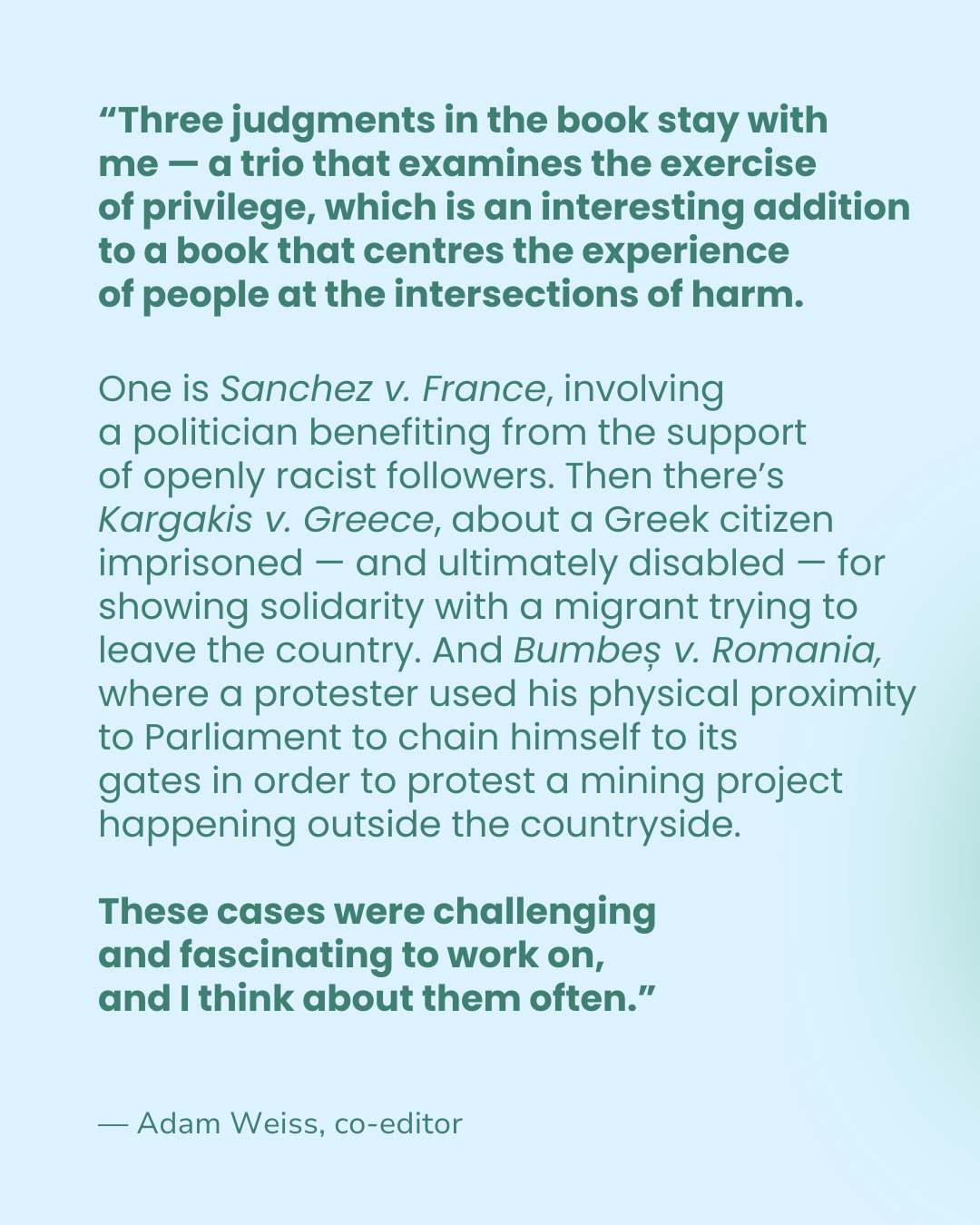
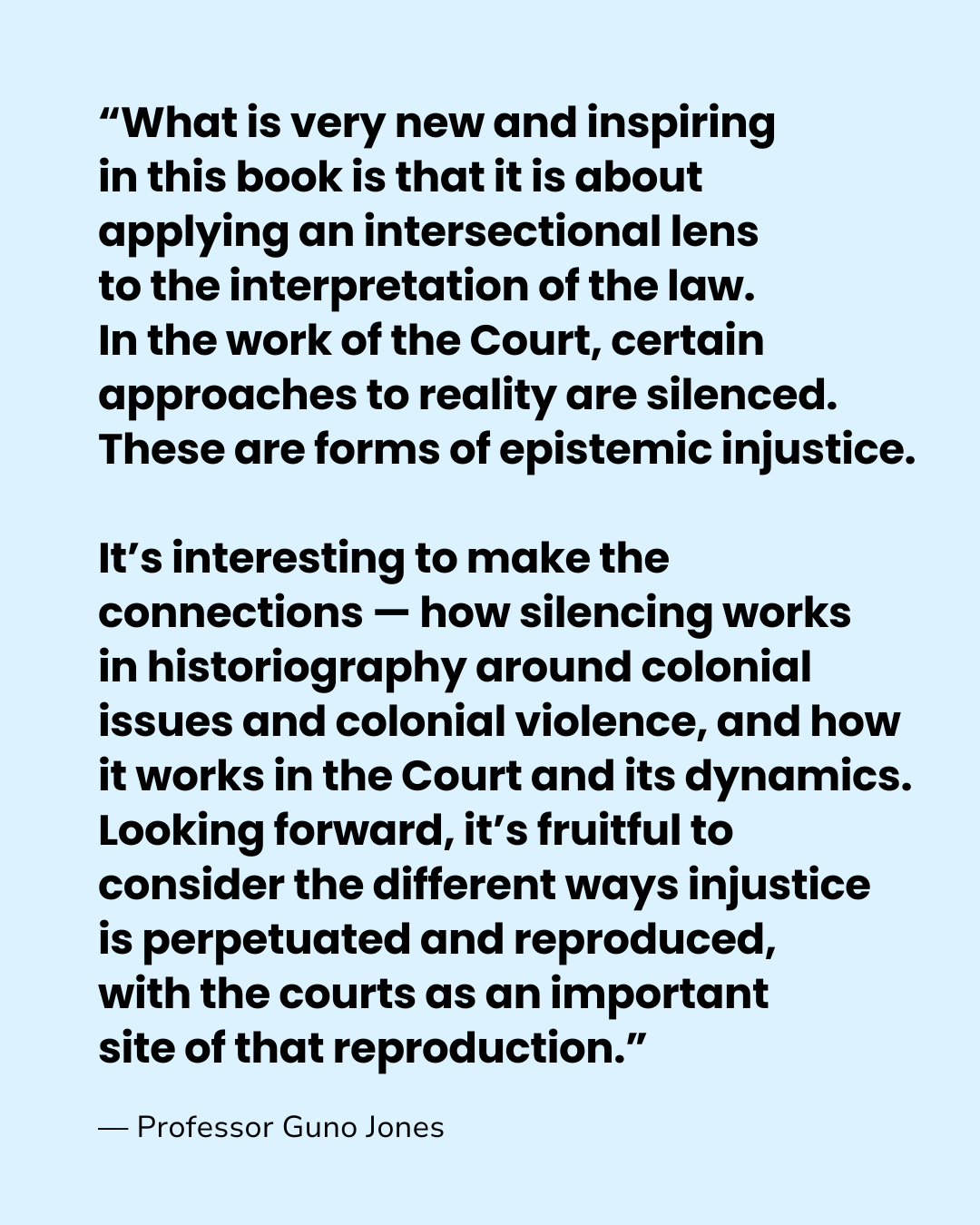
The participants discussed how the rewrites bring historical context into legal analysis, particularly the afterlives of colonialism and how courts silence certain perspectives. The conversation explored what happens when the Court doesn’t account for colonial history in cases, and drew connections between the silencing that occurs in historiography and the silencing that happens in jurisprudence, describing courts as sites where epistemic injustice is reproduced.
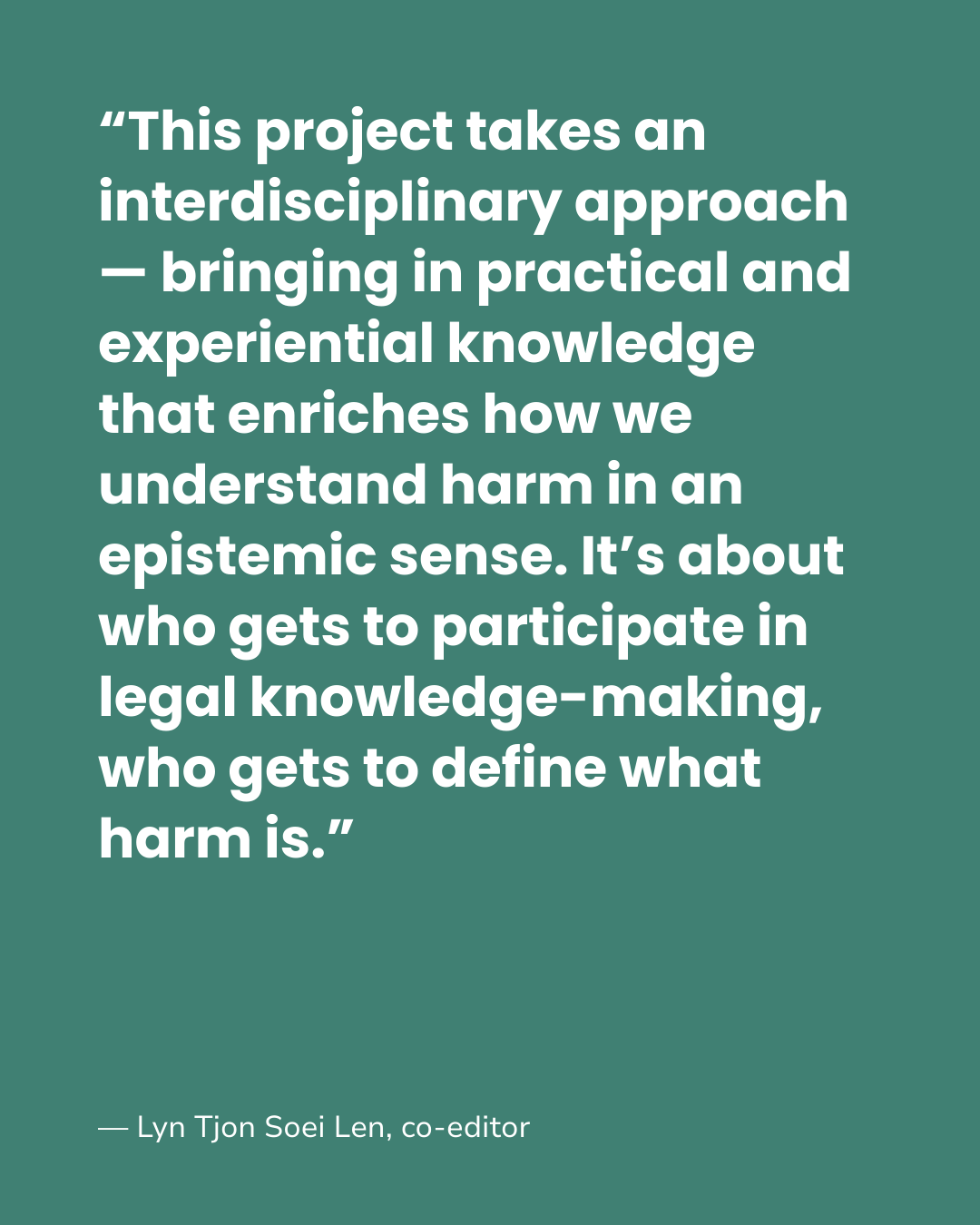
The discussion emphasised the interdisciplinary approach the project takes, highlighting how bringing in practical and experiential knowledge enriches legal analysis and raises questions about who gets to participate in legal knowledge-making and who gets to define what harm is.
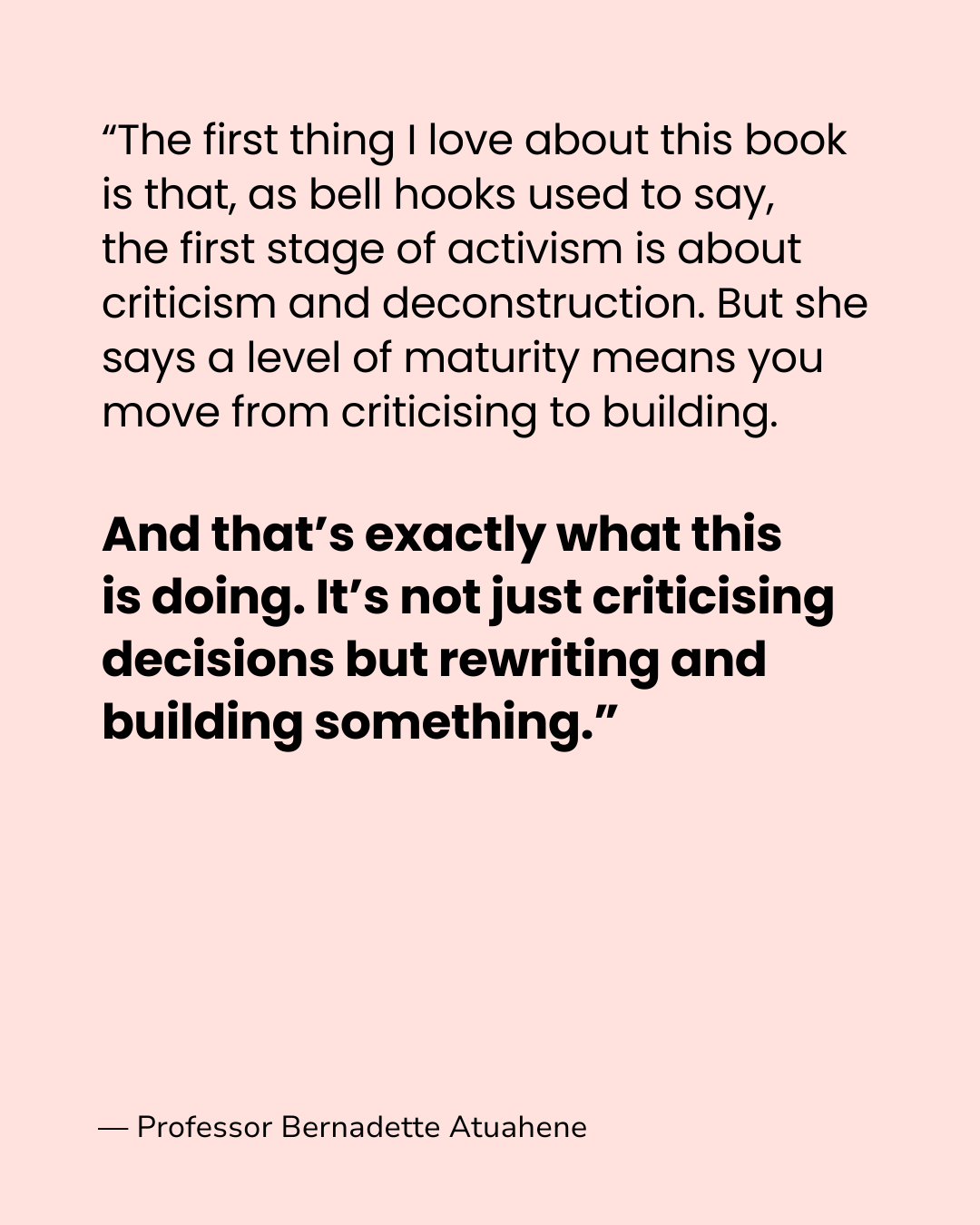
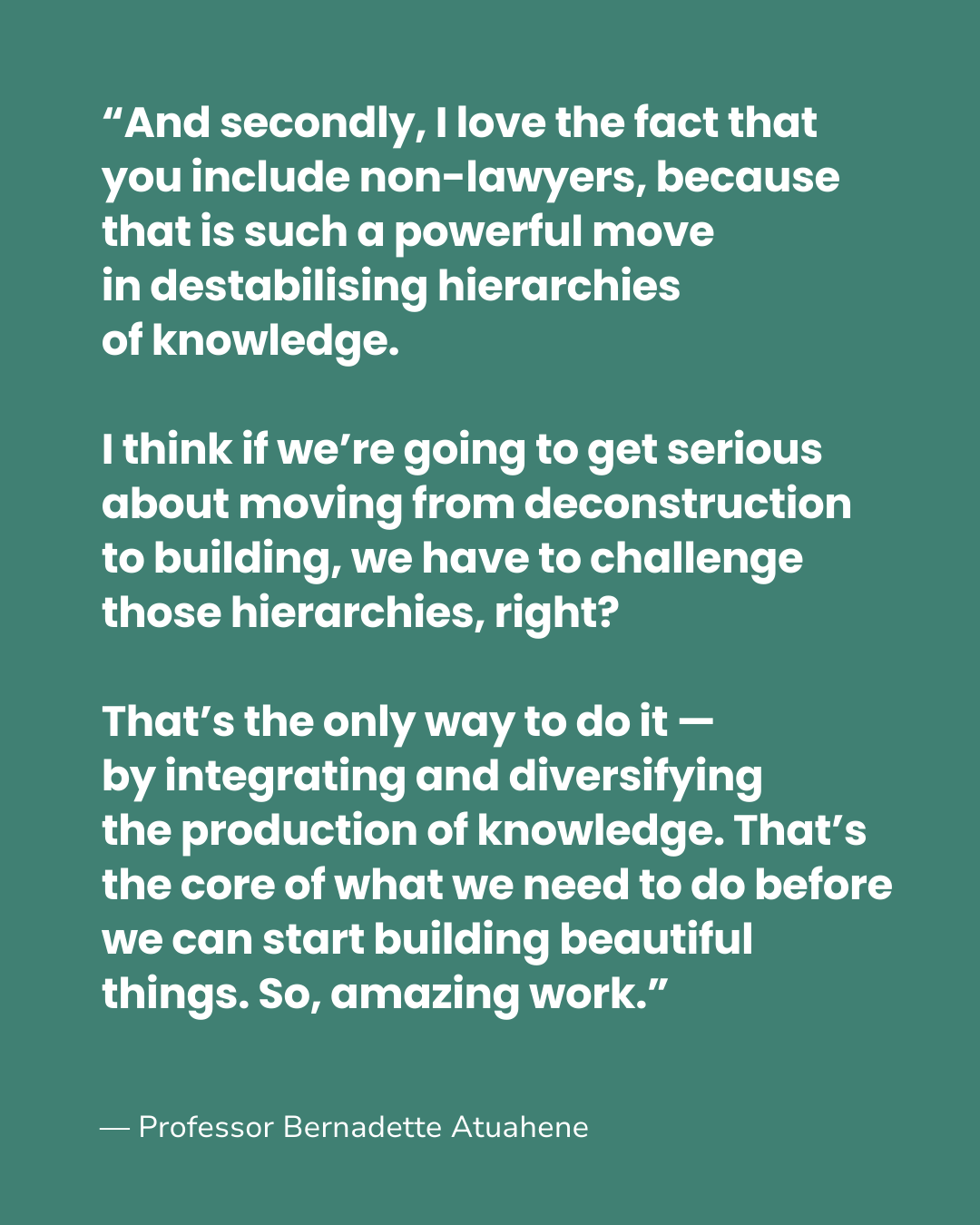
The conversation was also shaped by reflections from the audience, including observations about moving from criticism and deconstruction to building something new — a shift from merely critiquing decisions to actively rewriting and constructing alternatives. The importance of including non-lawyers in the project was highlighted as a way of destabilising hierarchies of knowledge.
The evening concluded with a reception in the Butterfly Bar at ISS.